Mission-Erde-Entdecken
Travel Diary
Back to overviewPoland, Slovakia and Hungary
Every place has its own story – and we’re telling ours, just as we’ve experienced it. Here you’ll find our little travel diary. We won’t be posting daily entries, but we’ll definitely share updates whenever there’s something to report. Click on the date to open the post.
Poland
And once again...
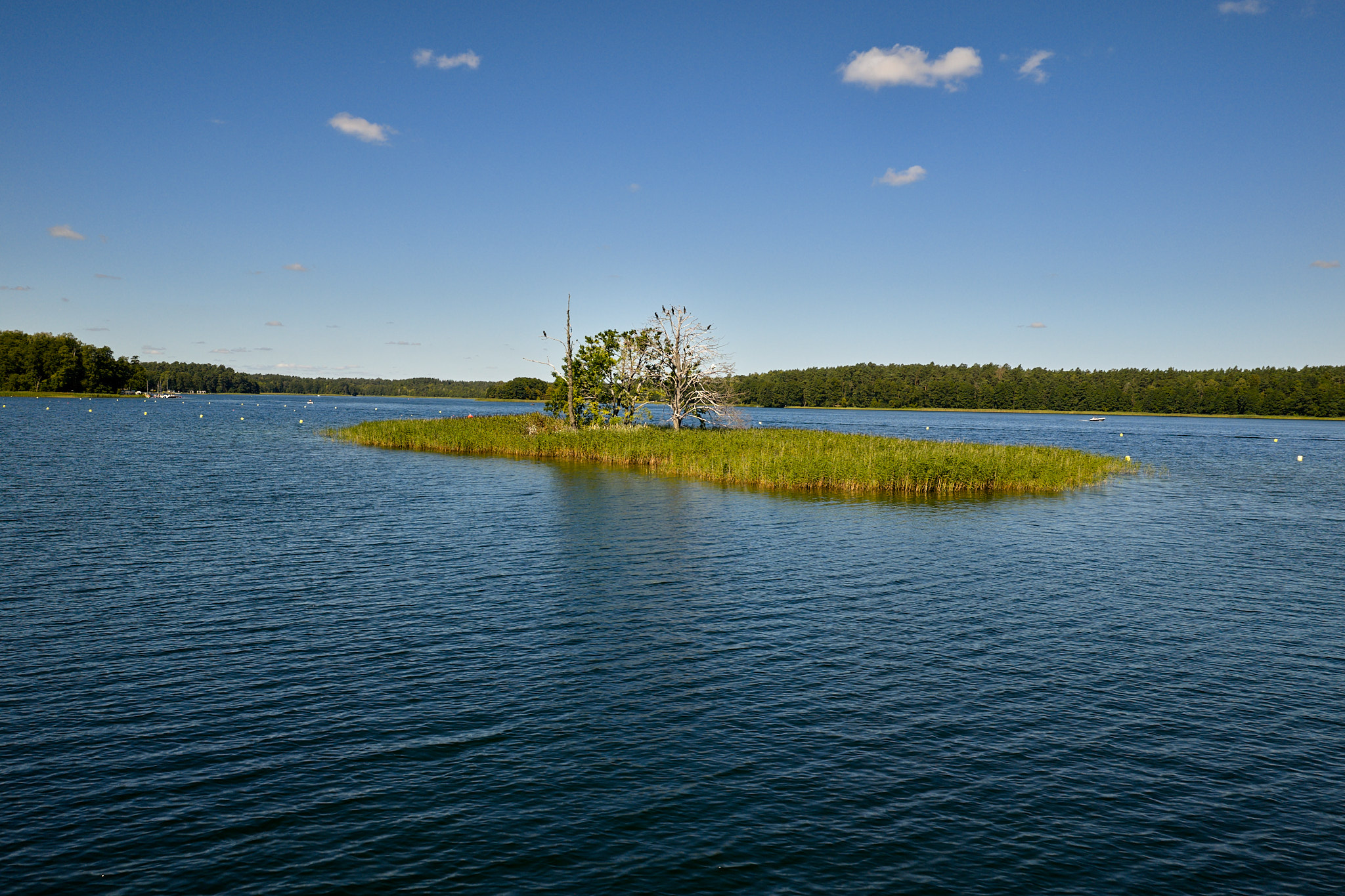
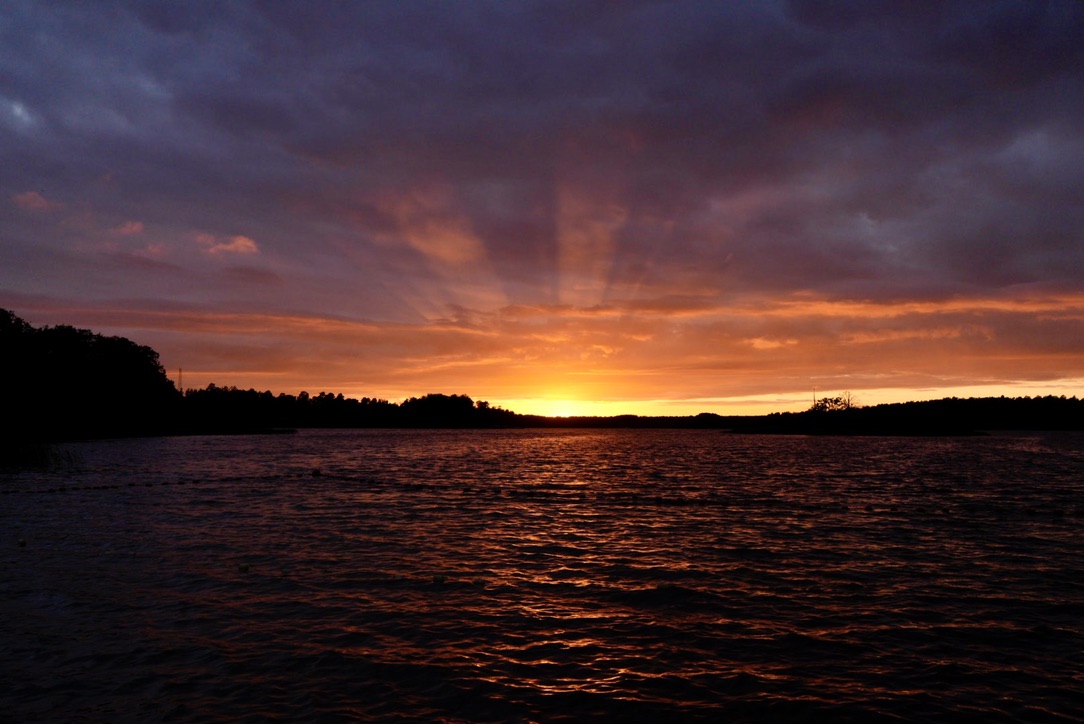
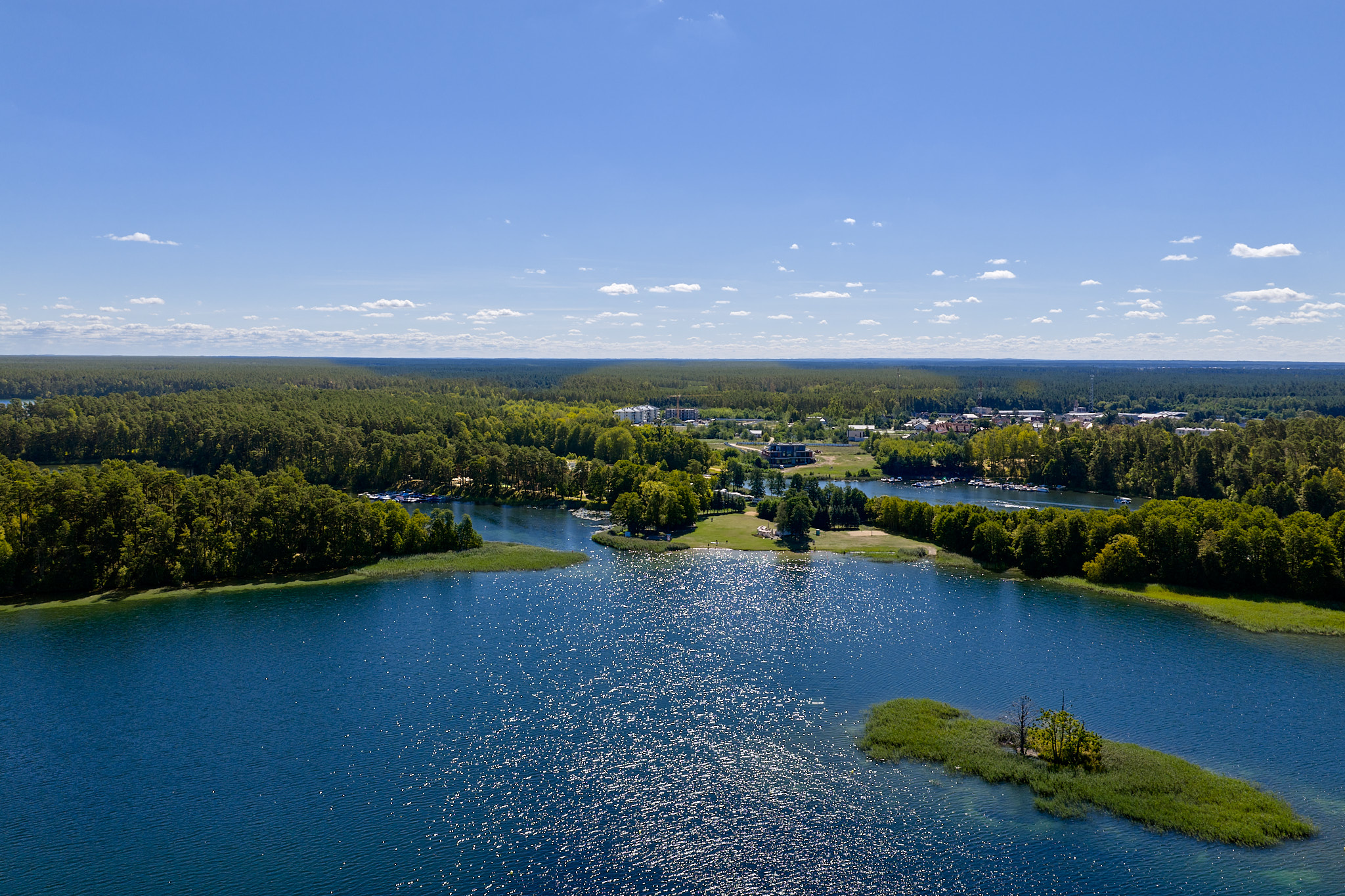
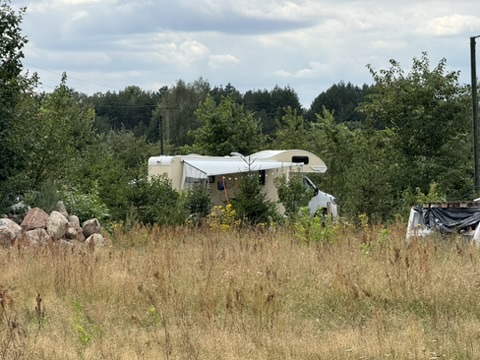
The weather had already started to turn in Estonia, and we weren’t lucky with the sun in Latvia or Lithuania either. We drove straight on from Muhu, crossing Latvia and Lithuania in the rain and stopping only briefly at an artists’ campsite. It was raining there too, so we decided to press on. Our next stop was a lake near Augustów. Finally, some nature and peace and quiet – a brief moment to catch our breath before continuing on.
Birthday
Arrival
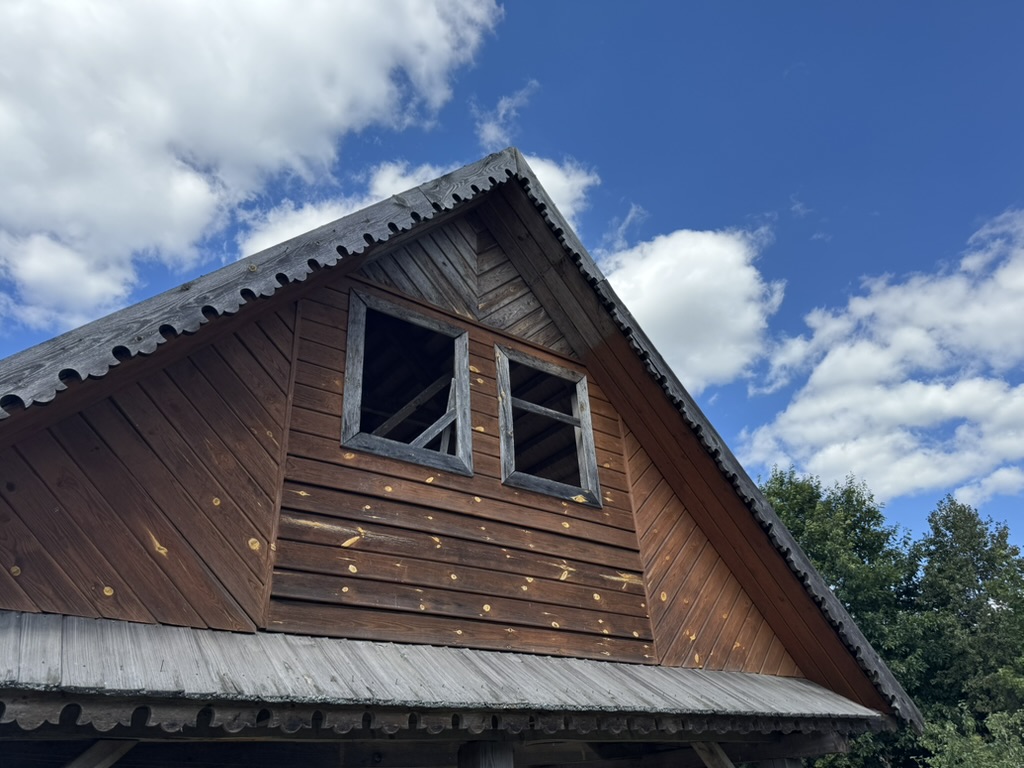
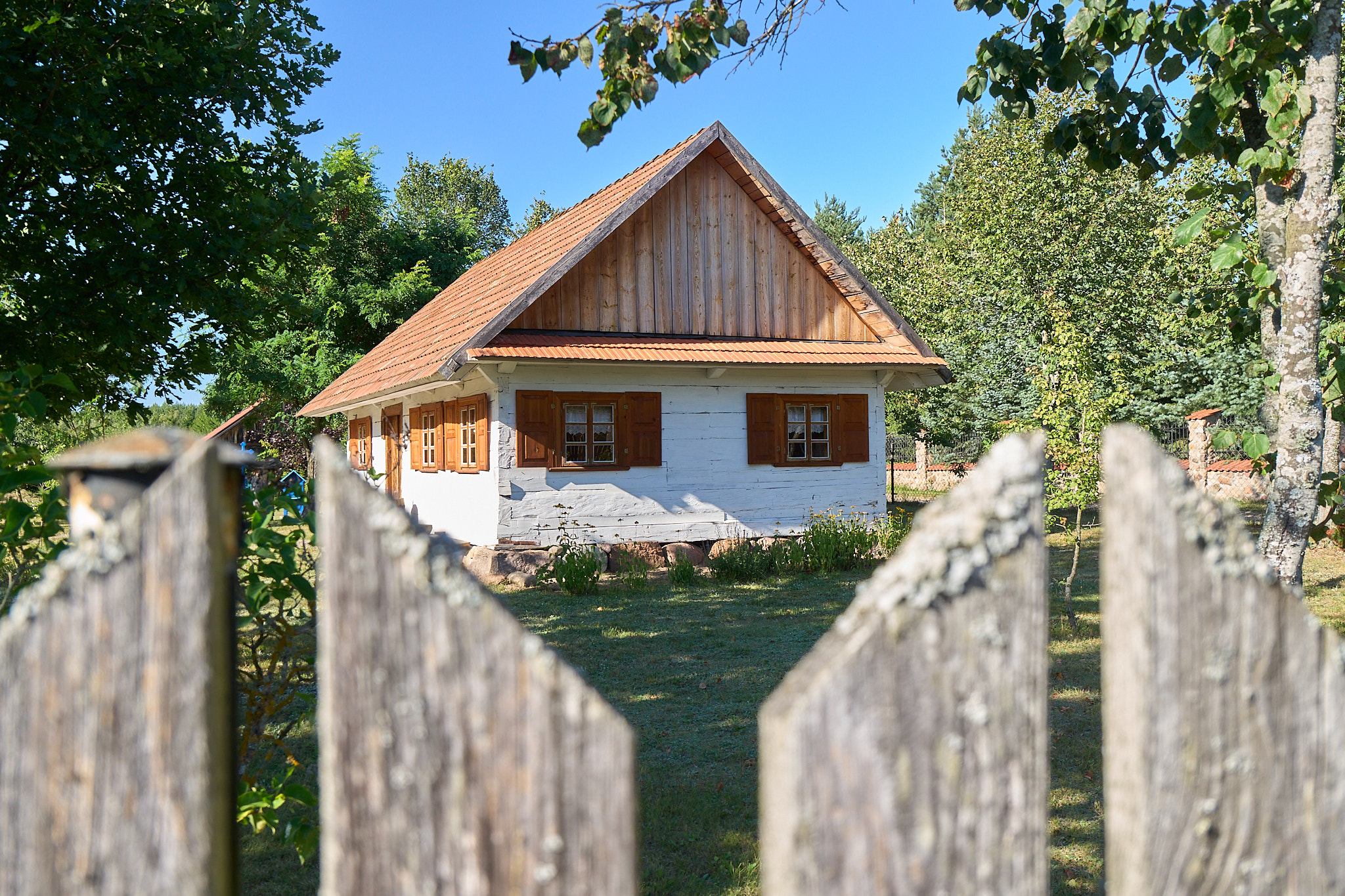
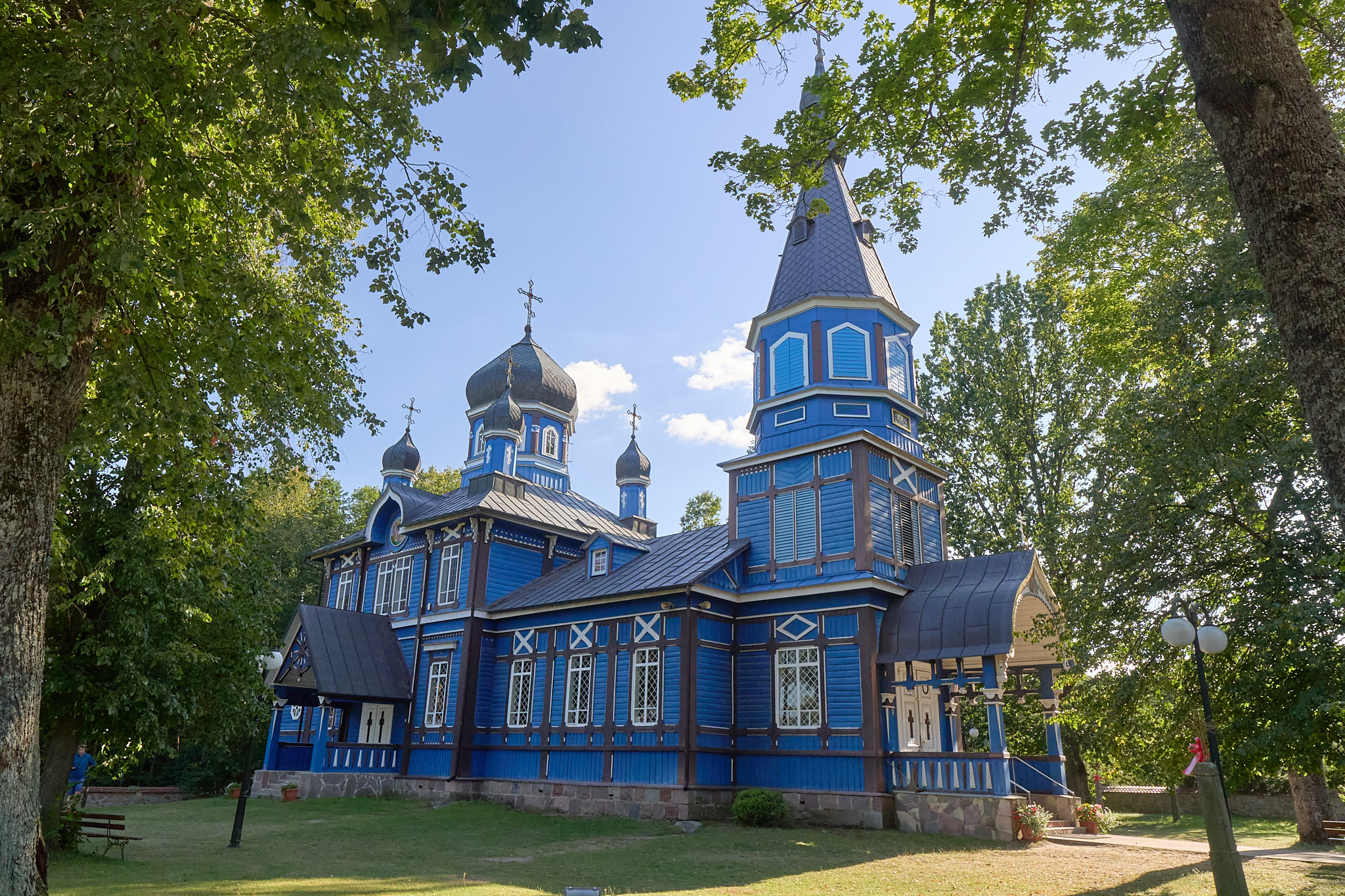
After a long drive the next morning, we arrived in Puchły. We didn’t really like the campsite there, though, and we were in desperate need of a washing machine. Nevertheless, thanks to Thadeus’s birthday, we have fond memories of our stay. We celebrated quietly, let him (and us) play with his presents, and spent the day in cosy intimacy.
Poland
The South
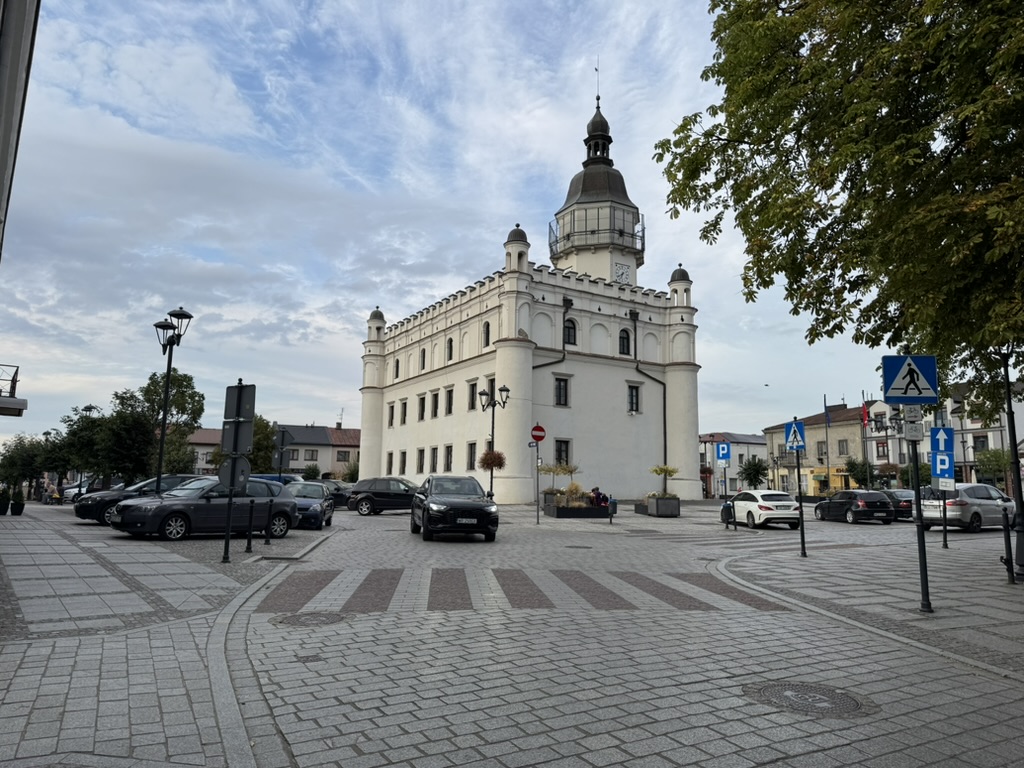
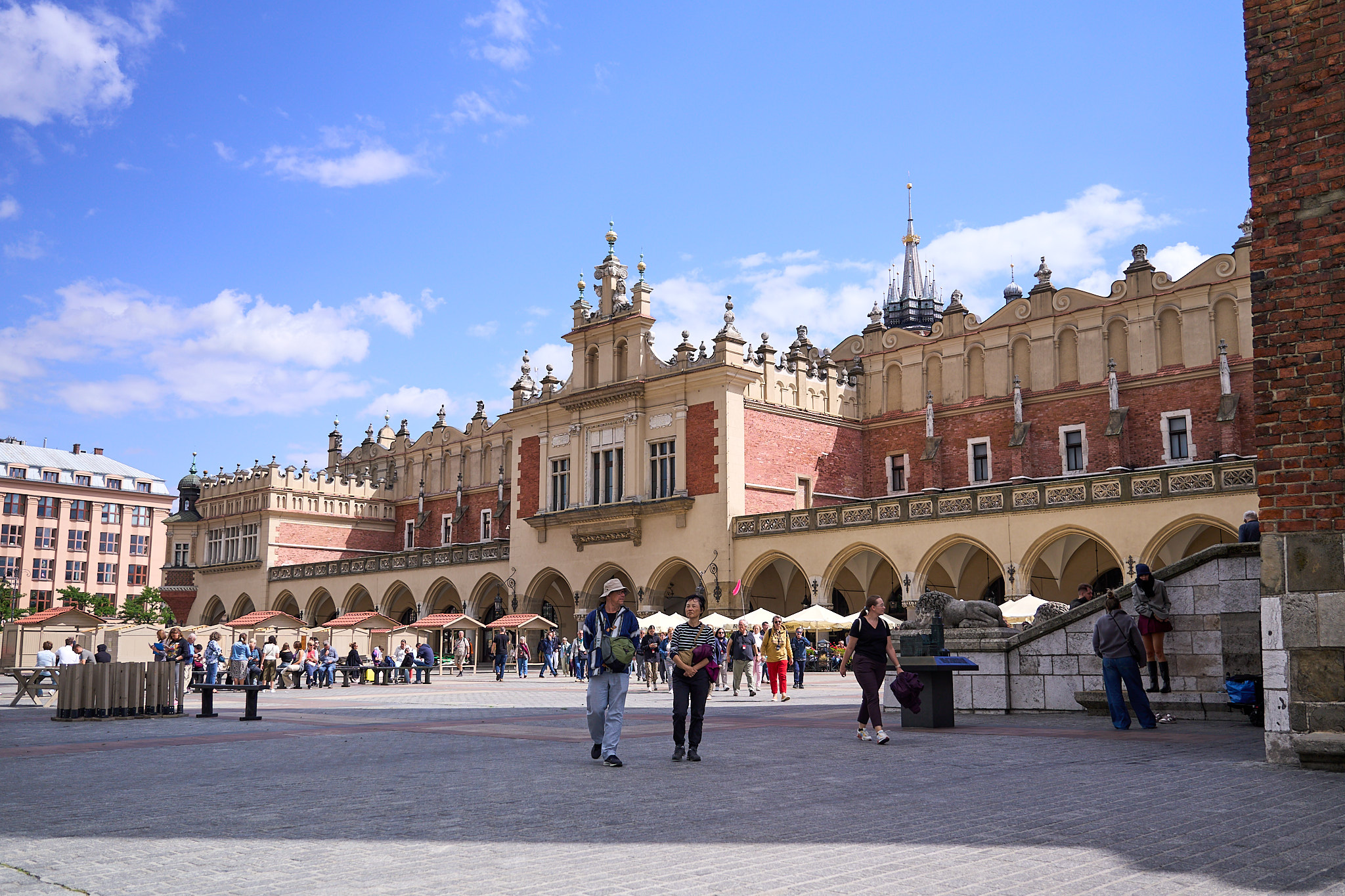
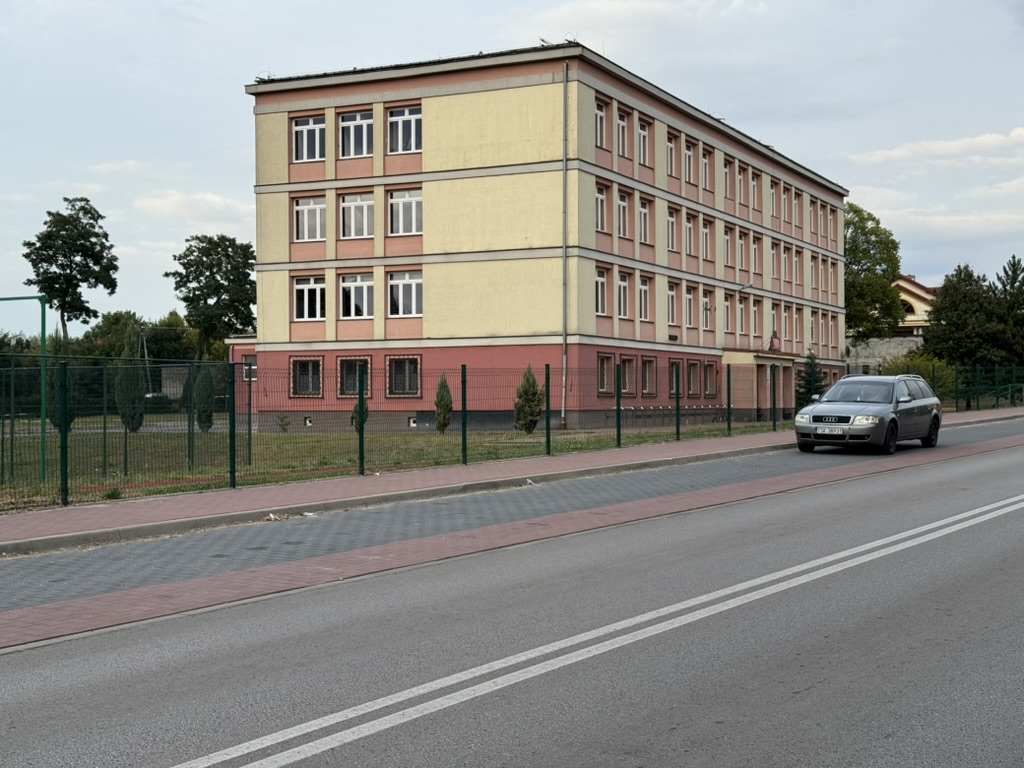
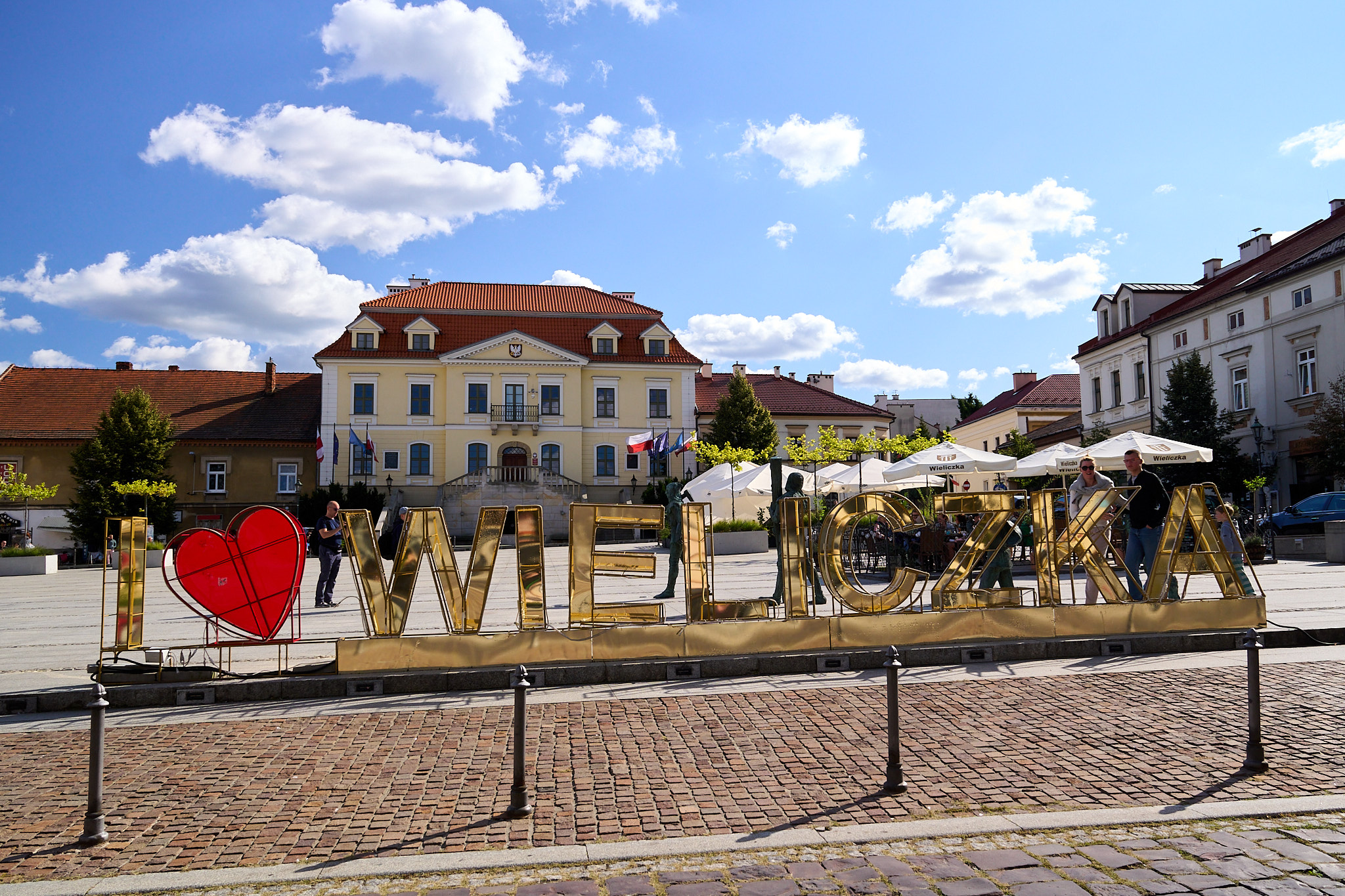
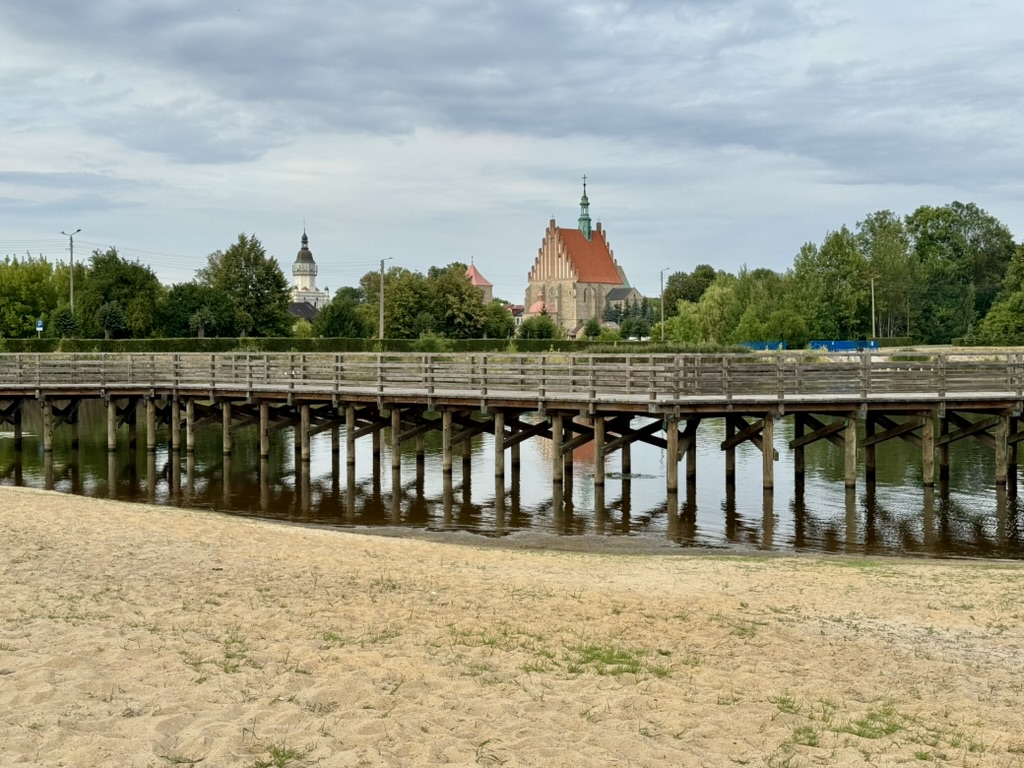
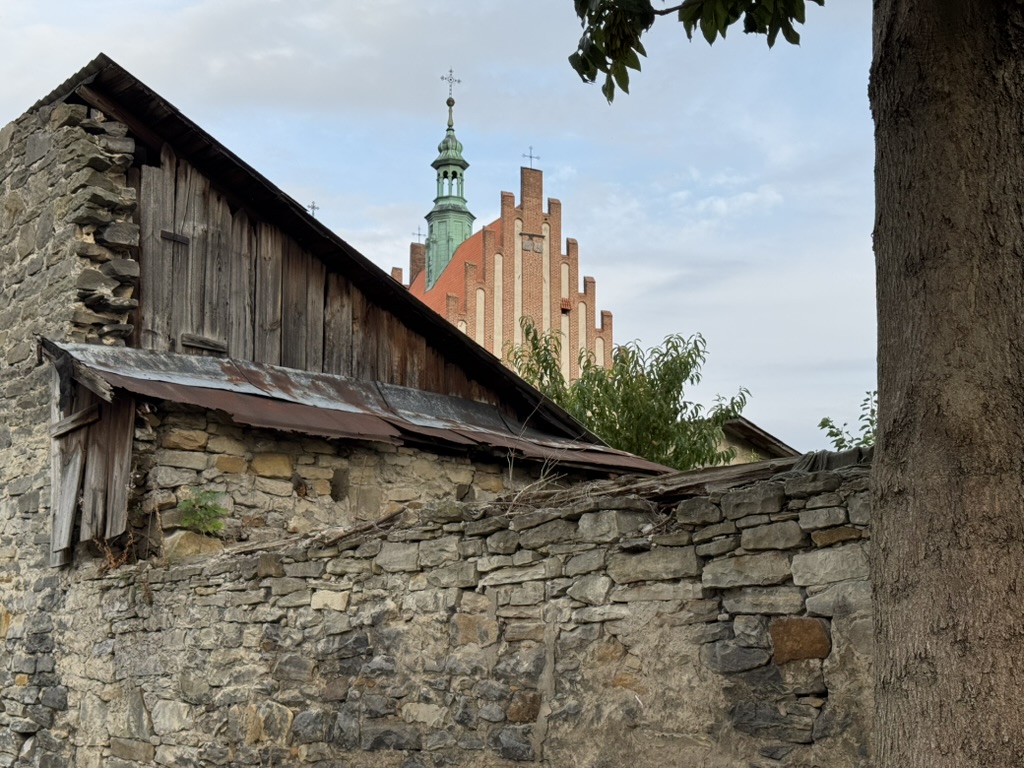
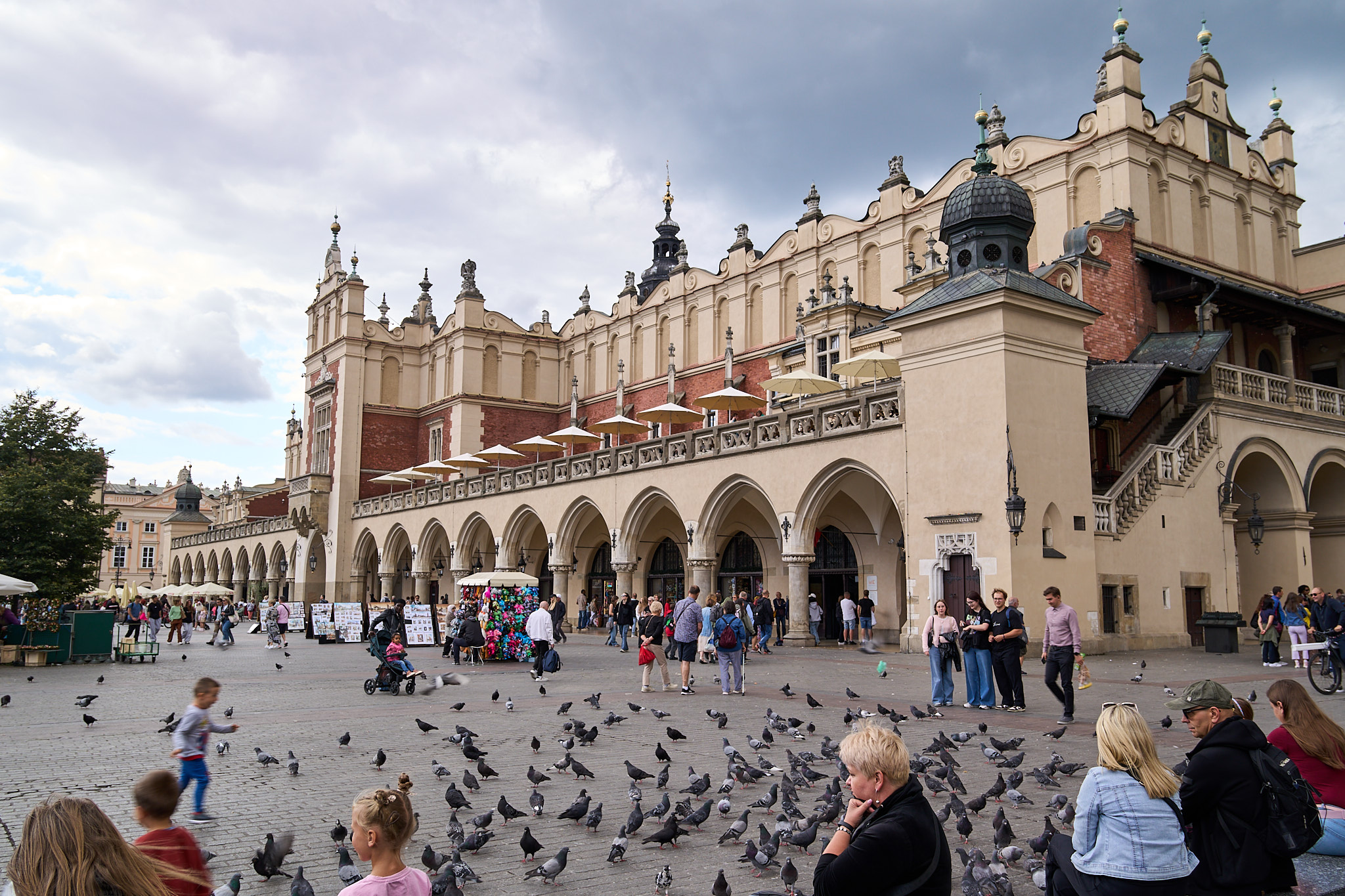
We then found a pleasant spot to park in Szydłowiec. A stroll through the village, some time at the playground and a visit to the high ropes course gave us the feeling that we were regaining a little bit of everyday life and normality whilst on the road. Then we arrived in Raciborsko. Here, we deliberately slowed the pace. Instead of moving on from place to place, we opted for a more relaxed rhythm: just one activity per day. So the walk by the reservoir became a whole day in nature, the trip to the salt mine an exciting adventure, and we combined Carolina’s birthday with a trip to lively Kraków. This chance to settle in and take a breather did us all good. Thanks to Uber and Bolt, we were taken from our campsite to our various destinations, with the ride being more or less bumpy at times. Incidentally, in Lithuania there’s only Bolt. Taxi journeys, for example to Krakow (~30km), cost between €17 and €27 depending on the time of day and availability. Waiting times are generally kept to a minimum. We replace the pre-filter of our water filter: iron and sand have settled in over the past four weeks (top: new filter, bottom: old filter). We leave Raciborsko on 26 August with many new memories and cross the Carpathians towards Slovakia. A video of some of the stops in Poland will follow, as before, a little later.
Slovakia
Mountains and sunshine
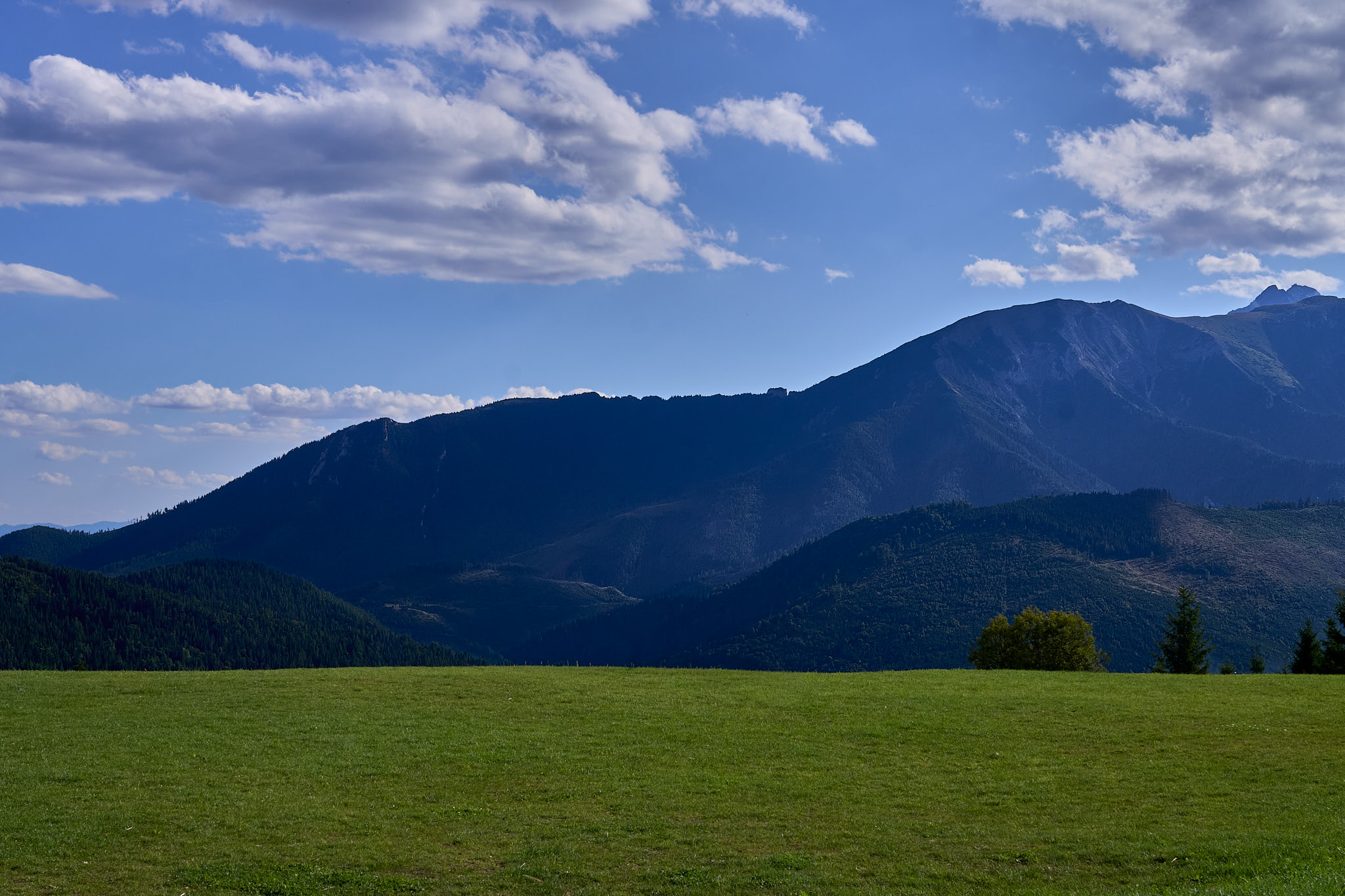
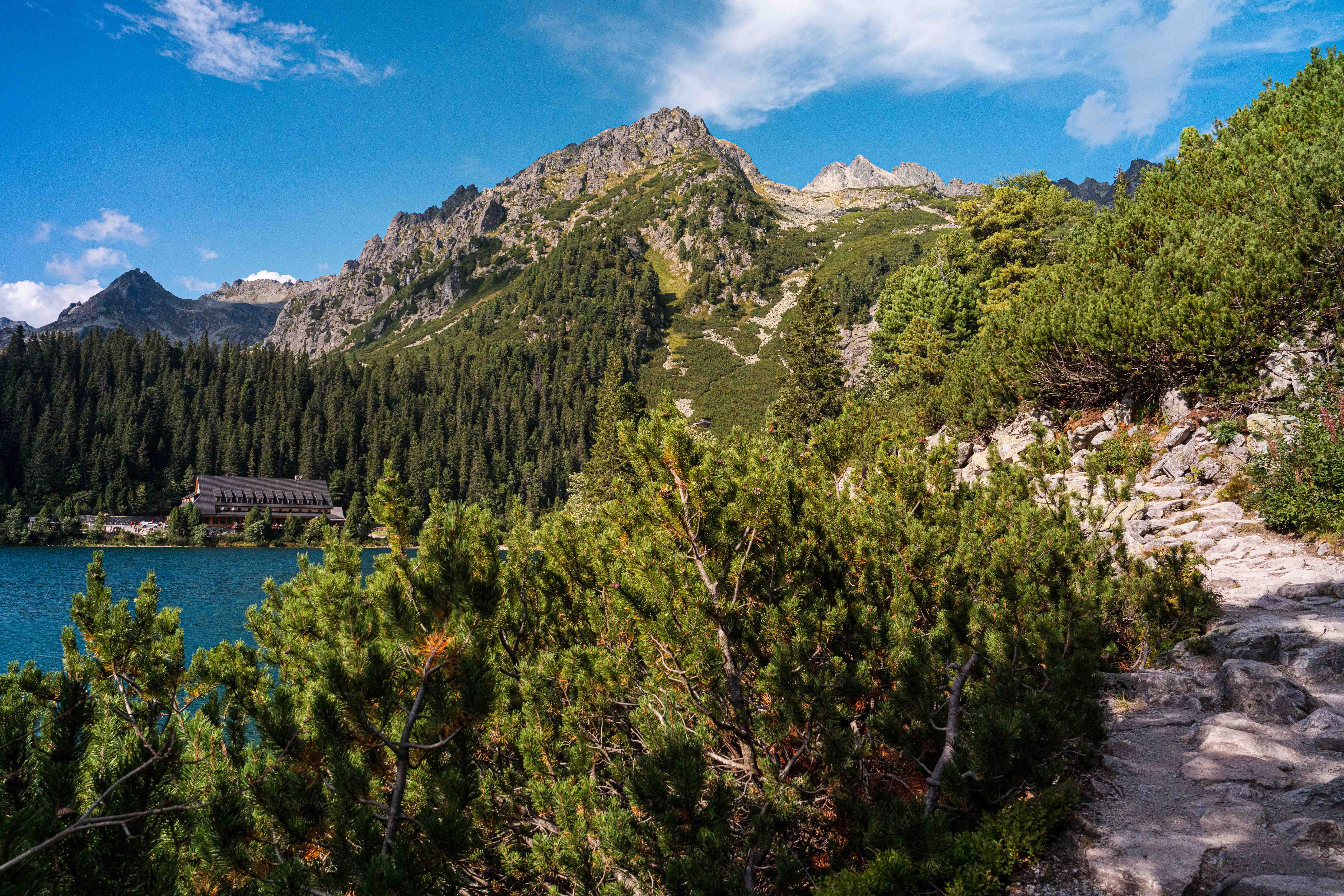
Even in the far south of Poland, we noticed that the landscape and the buildings looked completely different from before. The people seemed more prosperous and the natural surroundings resembled those of alpine regions. We liked this change, and upon crossing into Slovakia, things changed again: the houses had their own distinctive appearance and the population density decreased significantly once more. What did increase, however, were the level of tourist development and the price of tickets that had to be purchased. A mountain tour to Lomnicky costs a family like ours €319, and that’s just for the privilege of staying up there for 50 minutes – we saved the €319 and instead took public transport a little further afield to go on a lovely hike to a mountain lake a bit further away. However, the tourist infrastructure at Popradské Pleso is also developed to the max, so the appearance of a picturesque idyll – should that be suggested by the pictures – is deceptive. The nature up here is truly wonderful, but the hotel spoils it with its cars or the road bikes/mountain bikes that either whizz guests up here at breakneck speed or hurtle down the mountain using the momentum of gravity (the ascent was mostly powered by electric motors, after all). But there are countless routes that are less frequented and where you can truly enjoy nature in its purest form. The High Tatras are well worth a visit!
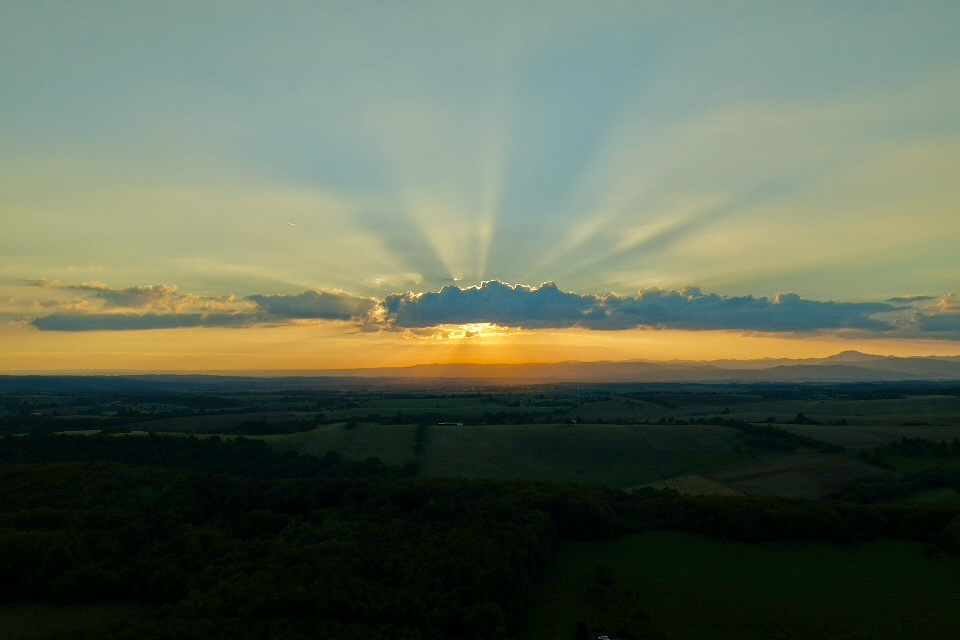
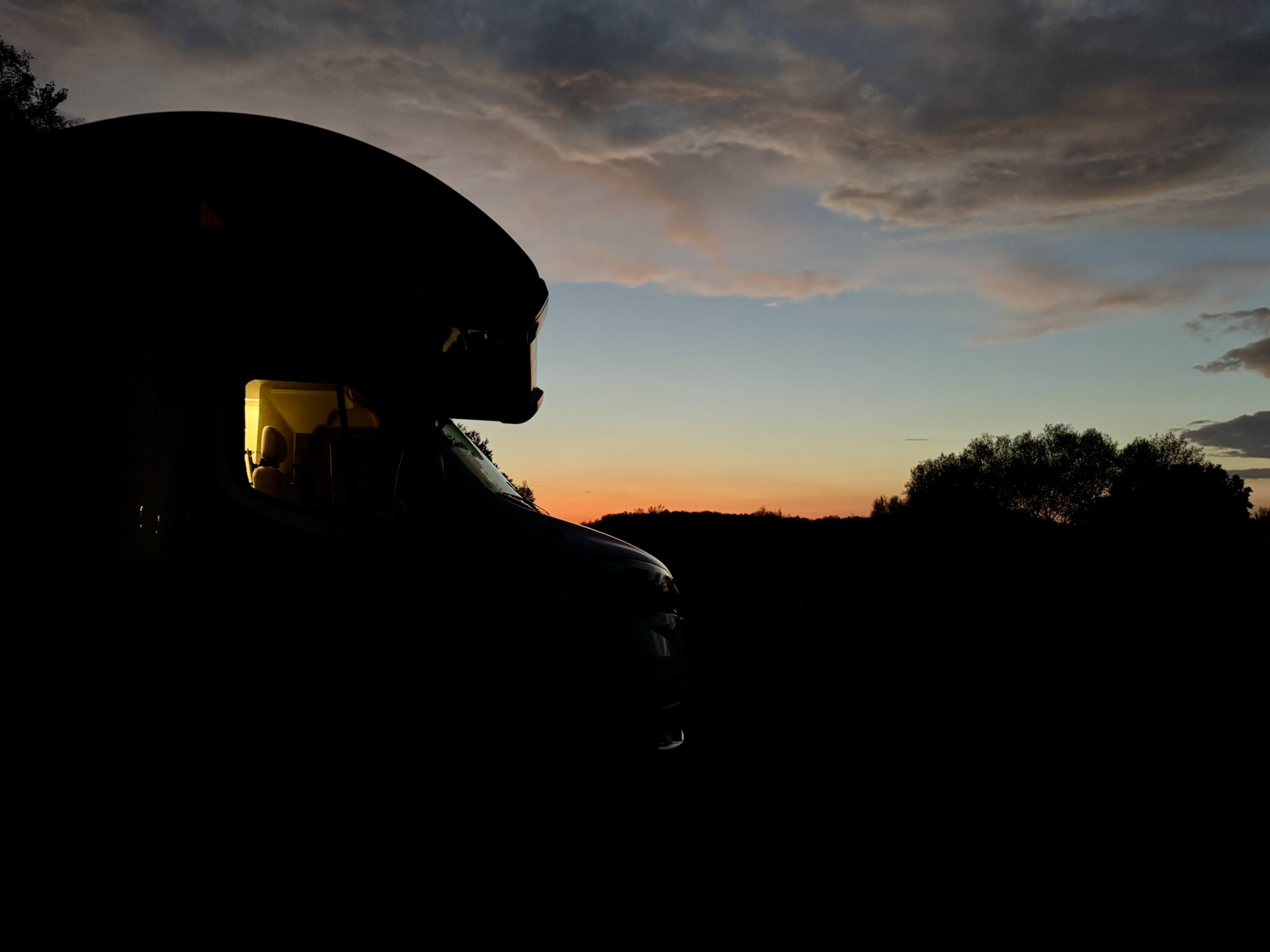
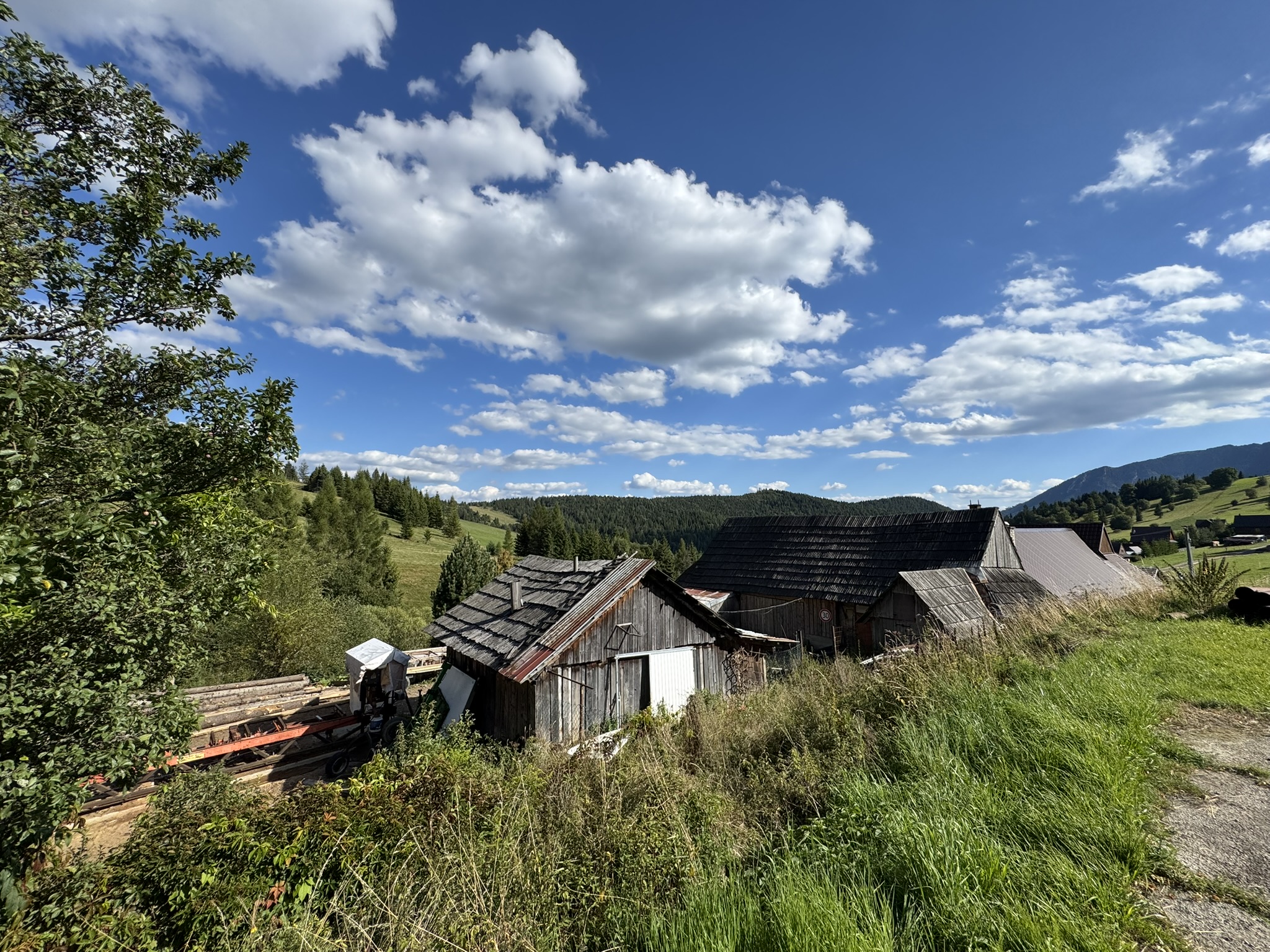
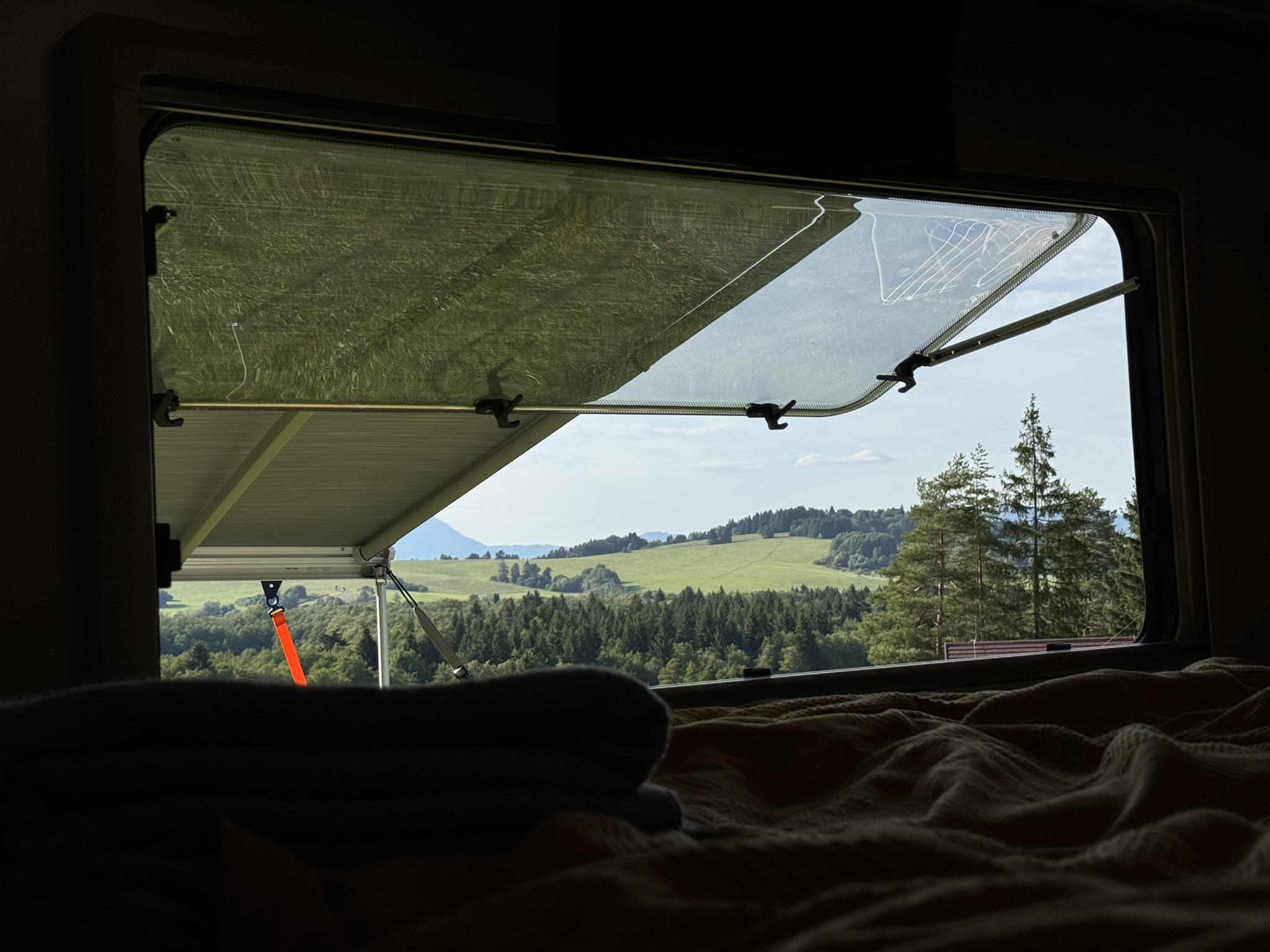
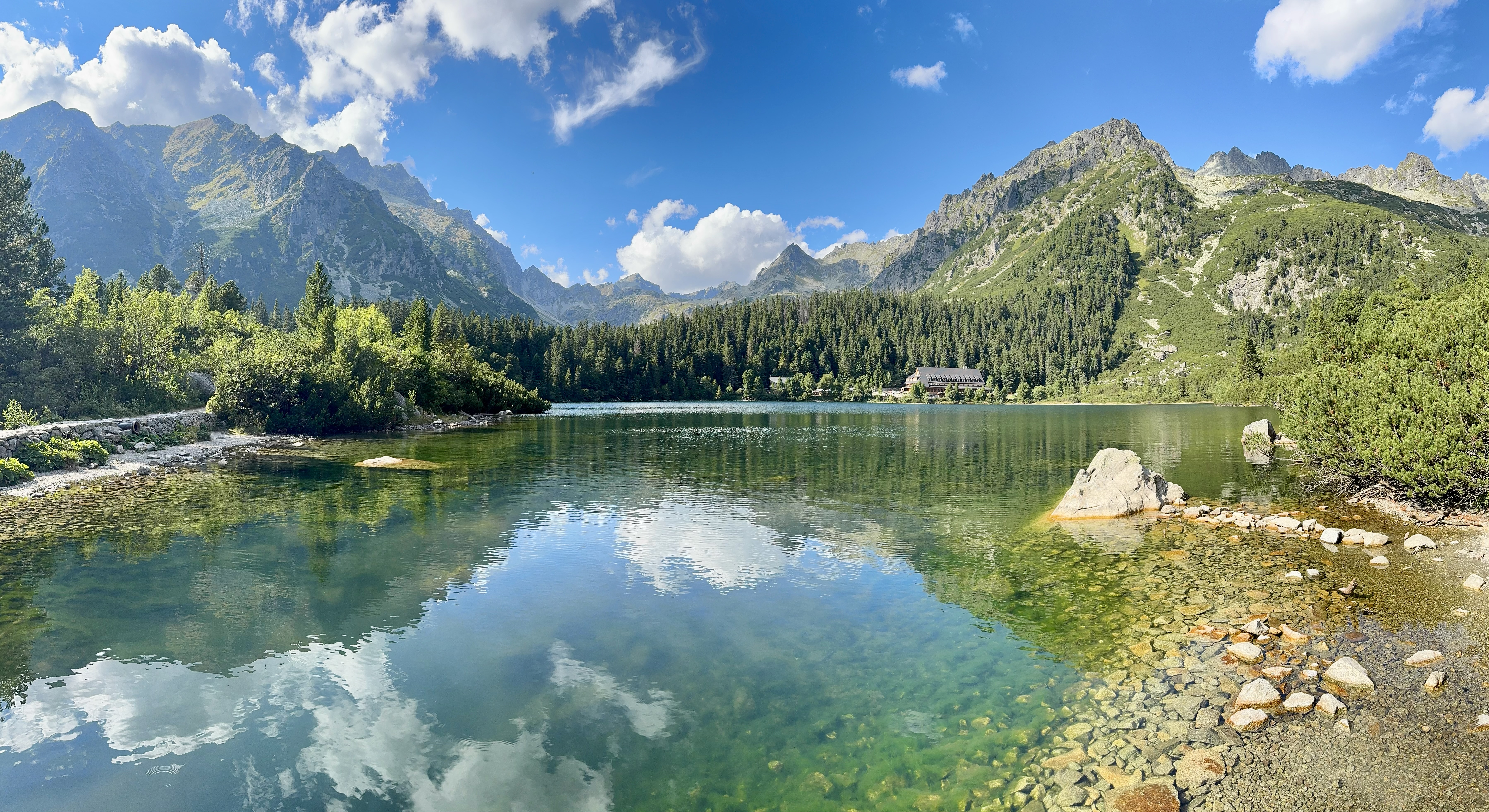
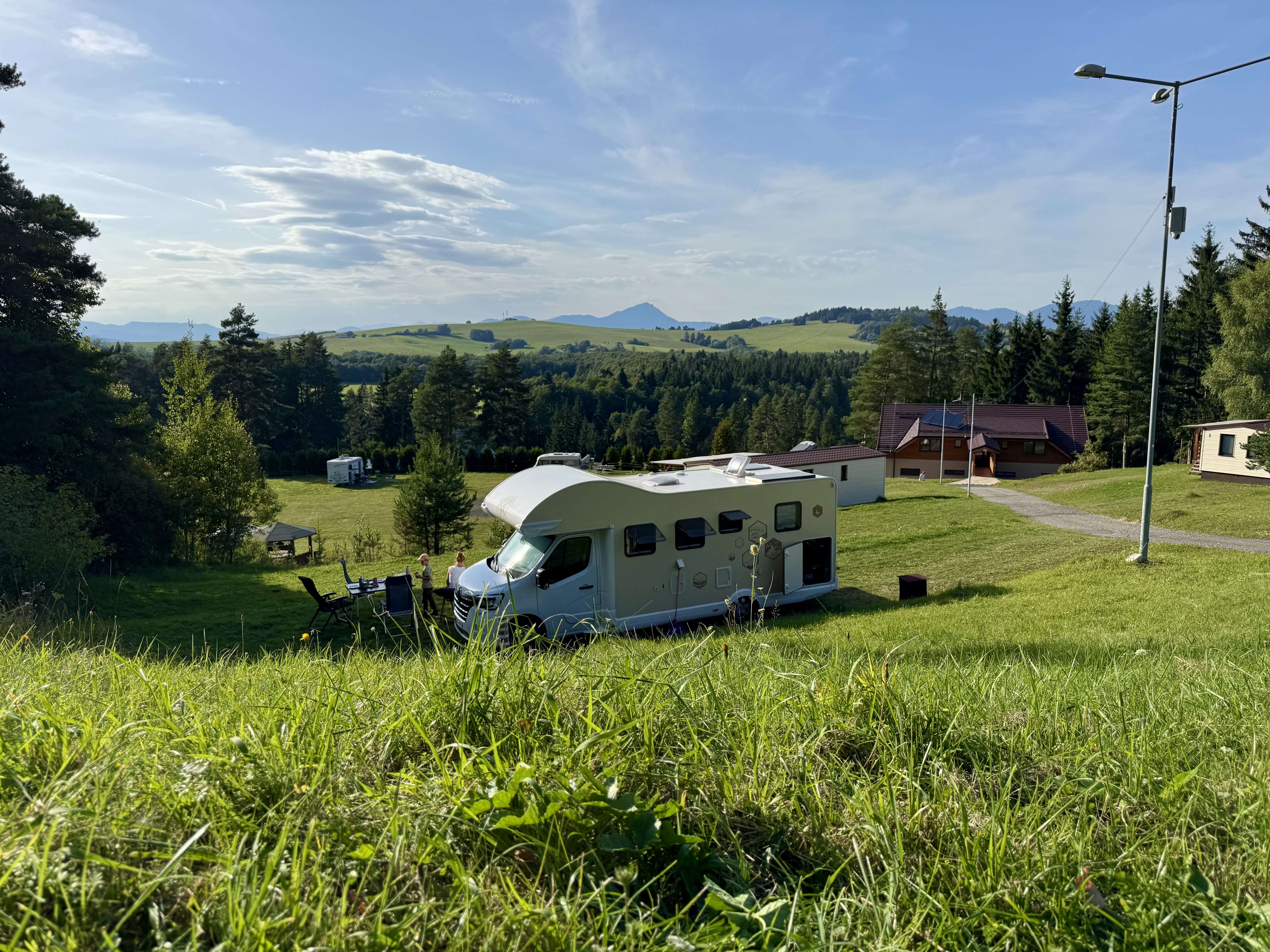
Unfortunately, we caught a bit of a bug in the Low Tatras and we were all laid up for at least three days, needing time to recover. Luckily, we found peace and quiet at a truly lovely campsite and were able to regain our strength. Our next stop was all about tranquillity and being close to nature. The site is situated on the edge of Krupinská planina, a vast plateau of volcanic origin characterised by rolling hills, dense deciduous forests and open meadows. The geological basalt formations and the elevated location give the landscape a distinctive character and offer sweeping views across central Slovakia.
For us, it was a place where we could experience the region’s geographical diversity whilst enjoying some relaxing family time. The farm setting meant we could have farm animals right there with us (and Thadeus was able to go horse-riding), but also get a closer look at the wildlife. Not far from the farm live deer, foxes, hares, buzzards and probably wolves too. Apart from the wolf, we regularly saw animals at dusk and heard them during the night. A wonderfully peaceful place that kept us there for a few days!
Hungary
Brief insights
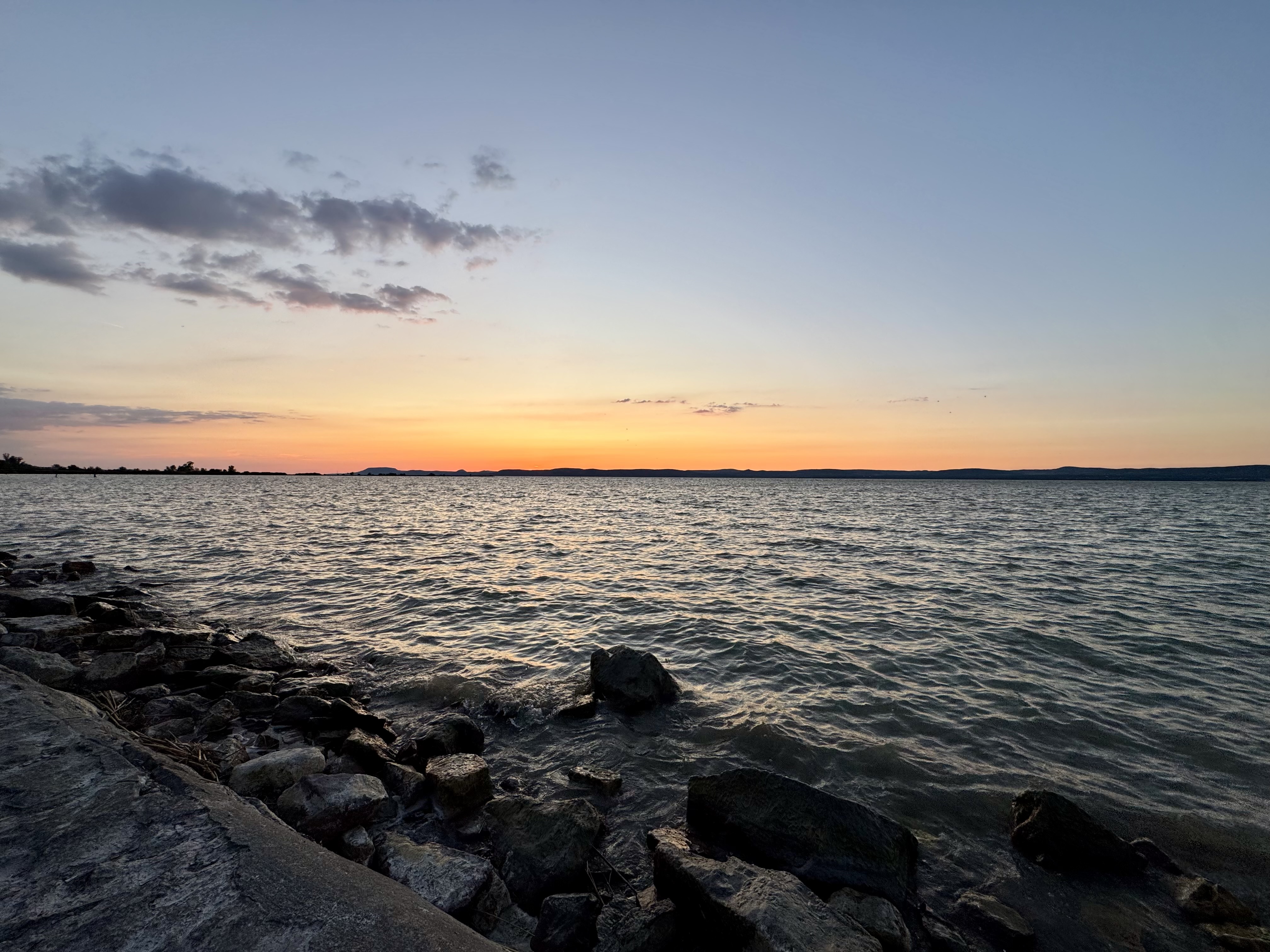
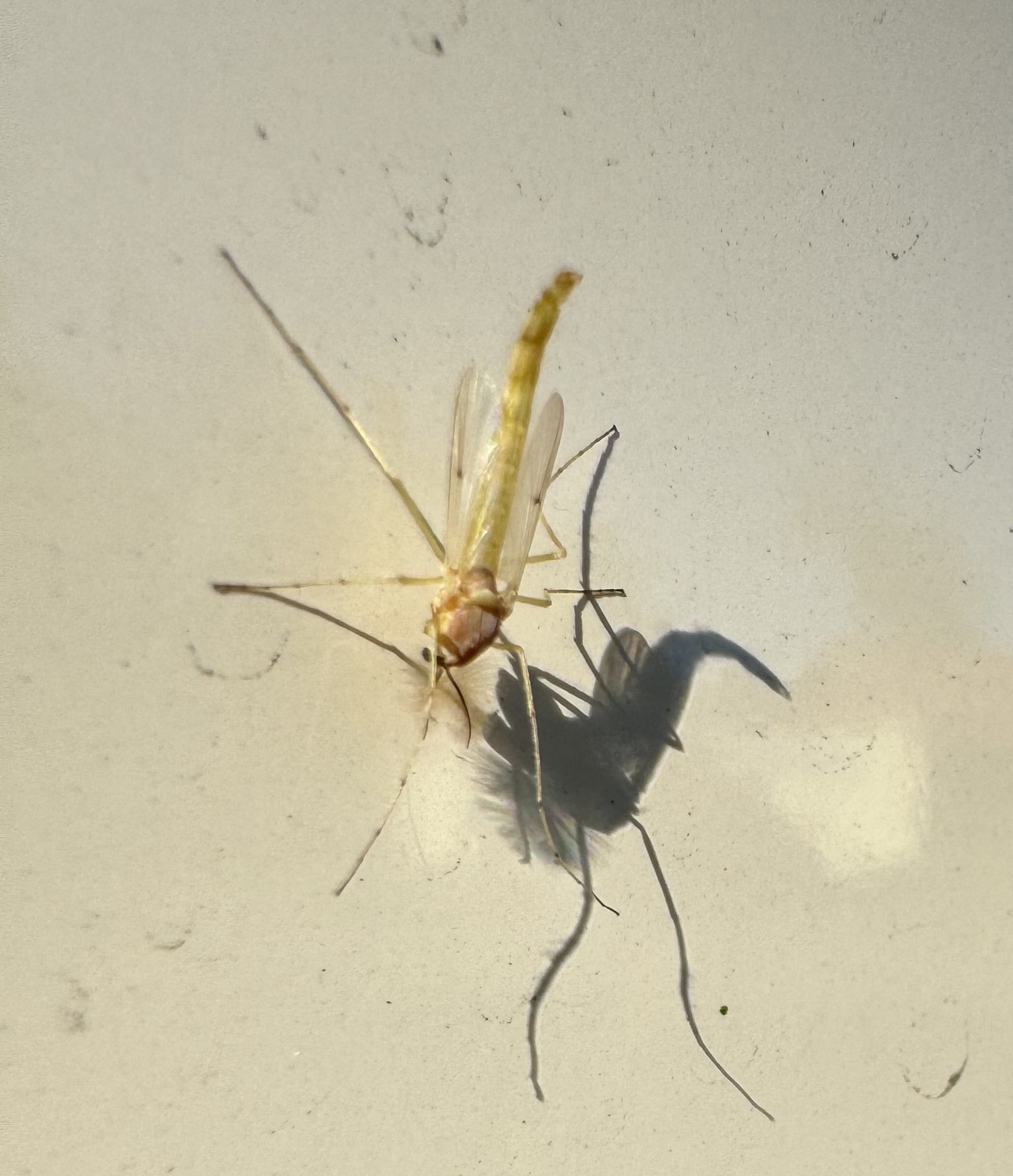
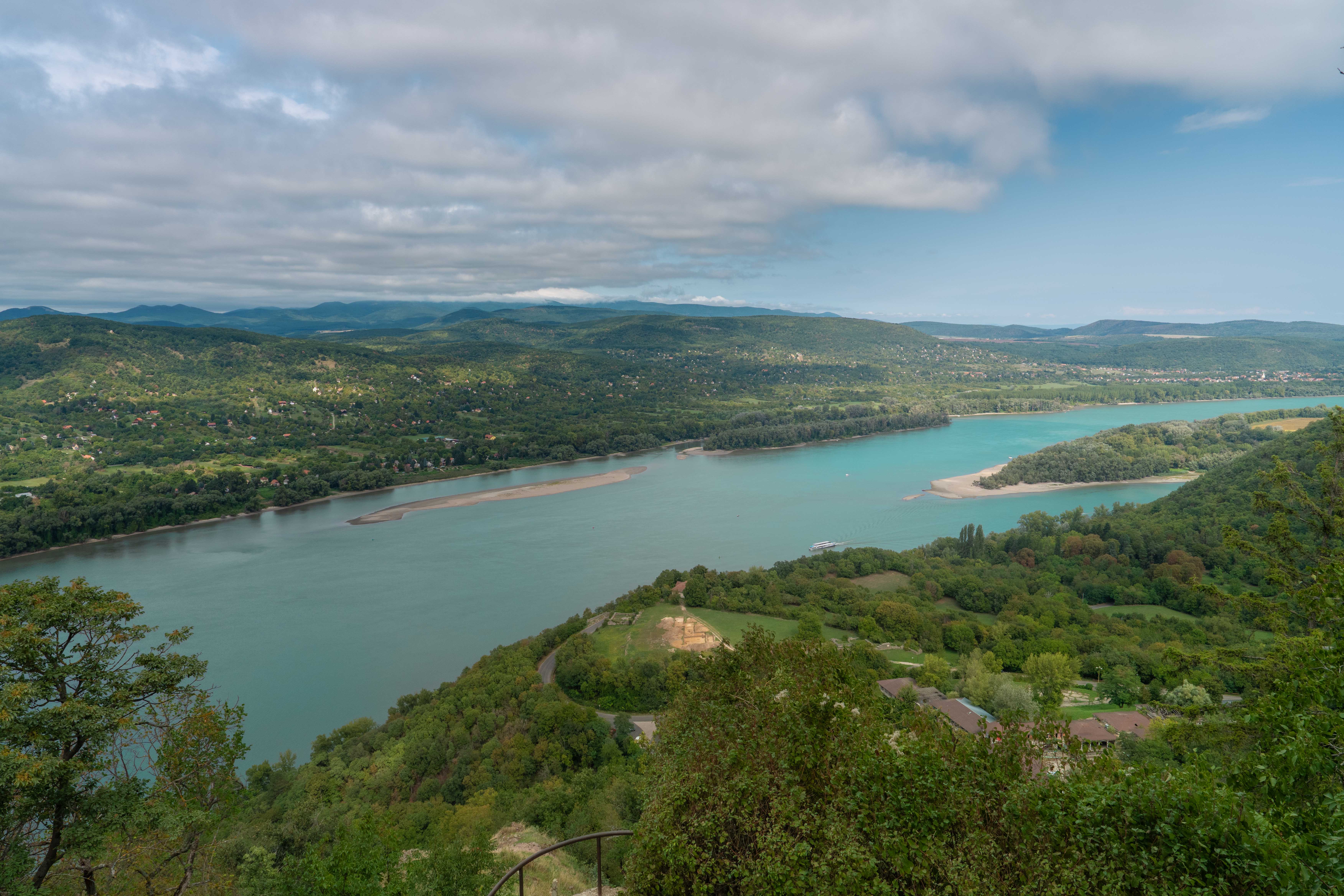
Just beyond the border between Slovakia and Hungary lies the Duna-Ipoly National Park. This is home to the so-called ‘Danube Bend’, which winds its way through the national park in a huge meander. From the Várad Citadel, we looked out over the Danube and the vast Danube Island to the north of Budapest. Incidentally, we ‘merely’ drove through Budapest; we two adults had both been here before and the boys haven’t developed an interest in cities yet. 🤣After just one night’s stay, we set off for Lake Balaton (77 kilometres long and up to 14 kilometres wide, the largest inland lake in Central Europe). Out of sheer curiosity, we took the risk of visiting a real “tourist hotspot”. Even though, fortunately, the peak season was probably over and we didn’t see the hustle and bustle, we’re torn between this natural phenomenon and the area. The lake has an average water depth of 3 to 4 metres and very murky, almost milky water. At Lake Balaton, there is an insect that every visitor comes across sooner or later: the so-called ‘Balaton midges’, which are actually chironomids (Chironomidae). At first glance, they look like mosquitoes, but unlike mosquitoes, they do not have a proboscis. They do not bite – and are completely harmless to humans. Incidentally, the midge owes its colour and thriving population to the high concentration of algae in the lake. As harmless as the individual insects may be, in large numbers they become a real nuisance for us. They form dense swarms that cover cars, houses and boats. Anyone standing in these clouds can hear the insects buzzing and quickly finds them oppressive and extremely annoying. Even though their large numbers do have a positive side, we couldn’t come to terms with it. The larvae of the chironomids – small red ‘bloodworms’ – live in the mud of the lake. They are an important food source for fish and birds and thus make a crucial contribution to the ecological balance of Lake Balaton.