Mission-Erde-Entdecken
Travel Diary
Back to overviewFrom home to Estonia
Every place has its own story – and we’re telling ours, just as we’ve experienced it. Here you’ll find our little travel diary. We won’t be posting daily entries, but we’ll definitely do so whenever there’s something to share. Click on the date to open the post.
The time has finally come; after all those exhausting days, we’re finally on our way. First, we’re making a stop so we can visit someone who’s ill, before continuing north-east towards Poland and the Baltic States.
Shock!
A minor defeat
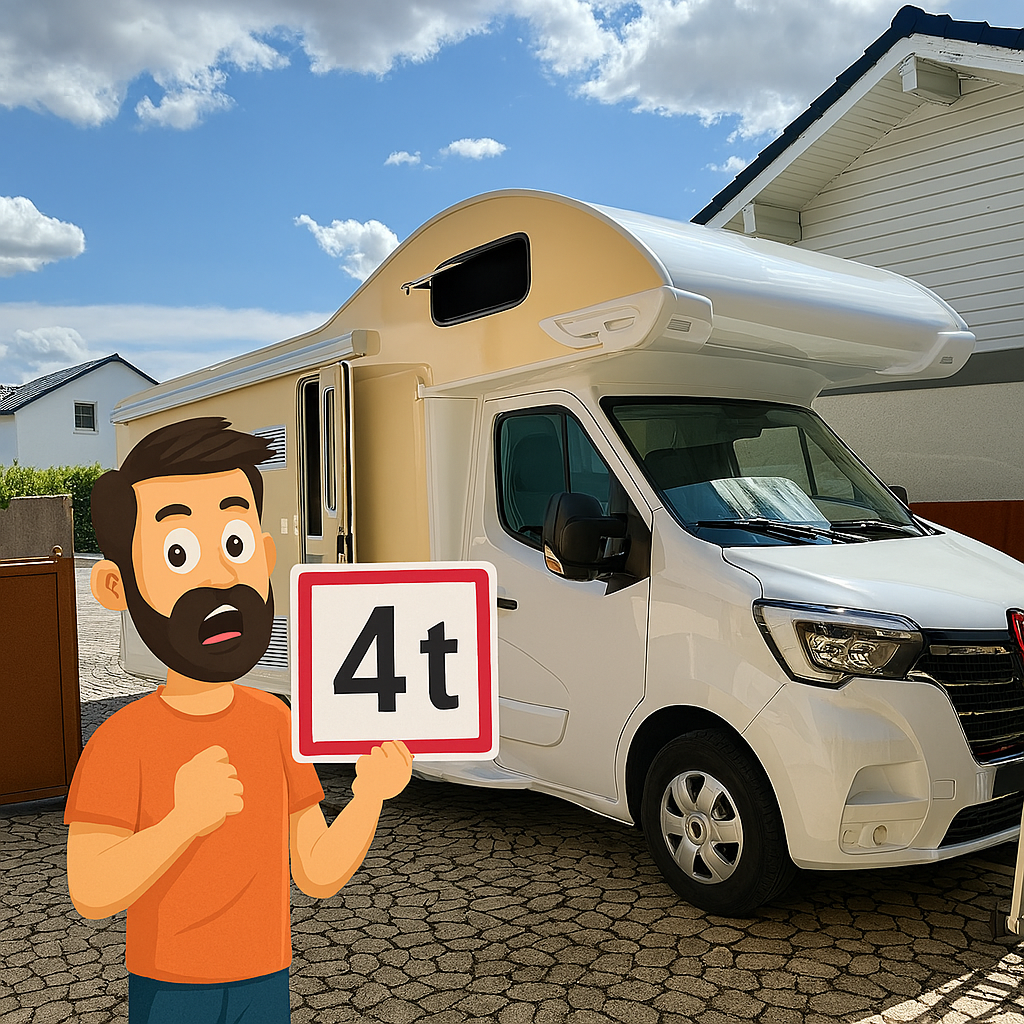
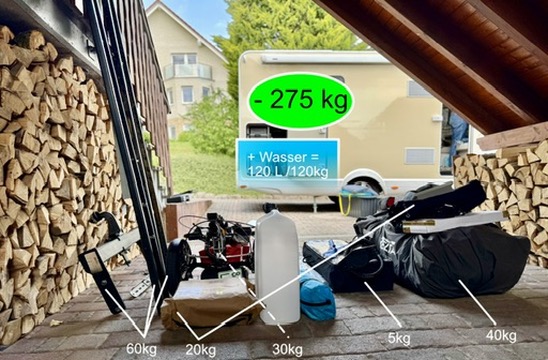
Our plan is to head for the centre of Germany first and then on towards Neubrandenburg, so that we can fit a rear box to our campervan. Now that we’ve actually finished loading all our gear, we’ve dared to step on the scales – and unfortunately, we’re too heavy. In principle, we could easily carry on by unloading some gear and/or water. But that would mean compromising on the comfort we’d planned for. One idea follows another: a trailer, carrying more load – what can we do?
Solution
The fact is, there’s a solution for everything!
For those of you who are curious, here’s how it breaks down: on delivery, the motorhome should have a total weight of 3058 kg. Add to that the optional extras – the awning, auxiliary battery, supports, solar panels and so on – and we’re looking at around 3,300 kg. Apparently, with the water, fuel and gas levels and the driver on board, we tipped the scales at exactly 4,020 kg. However, the maximum permissible weight for us is only 4000kg. So, once all the passengers and food are added, we were 200–300kg short. As our Ahorn Canada AE cannot, unfortunately, be loaded any further, and neither Renault nor Ahorn are willing or able to help, we are forced to reduce the load.
P.S.: Don’t buy an Ahorn Camper if you’ve got big plans and want to be well-equipped, as other platforms and vehicle manufacturers can certainly be upgraded to 4,250 kg, 4,500 kg or even over 5 tonnes.
finishing touches
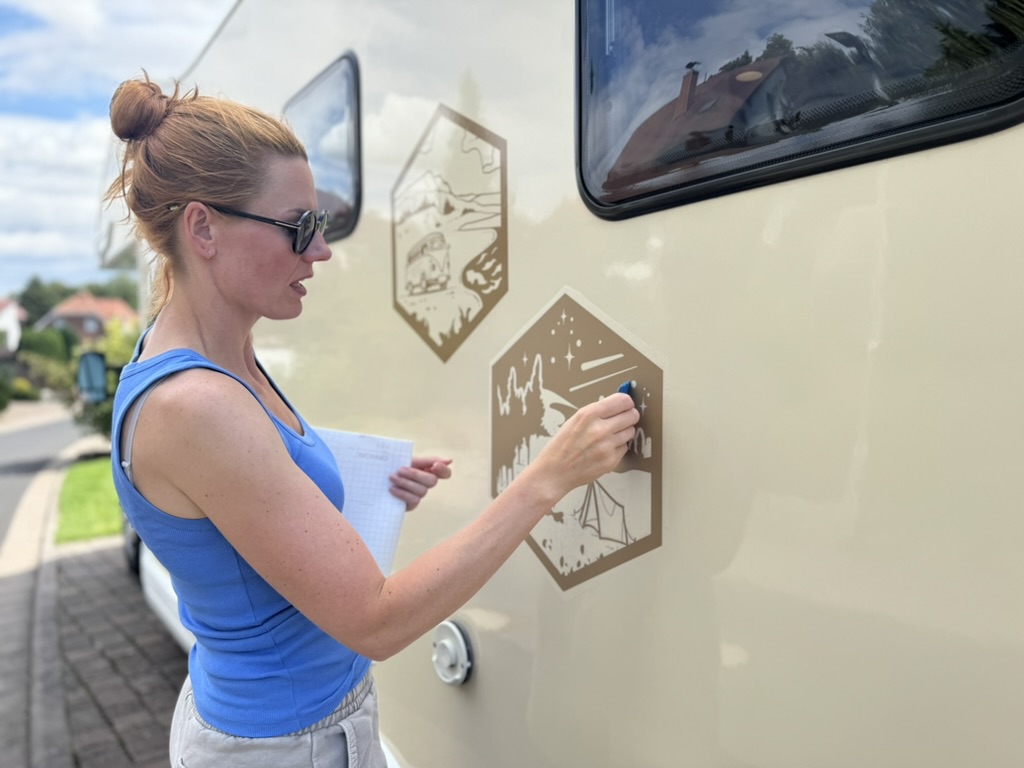
“Erika” is still being spruced up
A quiet day, and for once no unnecessary distractions. We took the boys to the swimming pool and enjoyed the sunshine. We’ve now finished sprucing up “Erika” (putting up decals and stickers), and we’ll be moving on from our hospital visit on 24 July 2025.
peak season
What on earth is going on here?
This leg of the journey from the far north-east takes us to Poland, and since it’s the summer holidays and we fancied seeing the sea again, we end up in Kolberg / Kotobrzeg. A haven for penny-pinching Germans and a beach experience like no other. Tourist attractions, a Ferris wheel, toffee floss, as well as cheap Chinese toys, alcohol and fast food. Finally, a completely overcrowded beach – let’s put it down to it being a Sunday, when everyone heads out.



Family outing
Sanssouci Royal Campsite and Potsdam
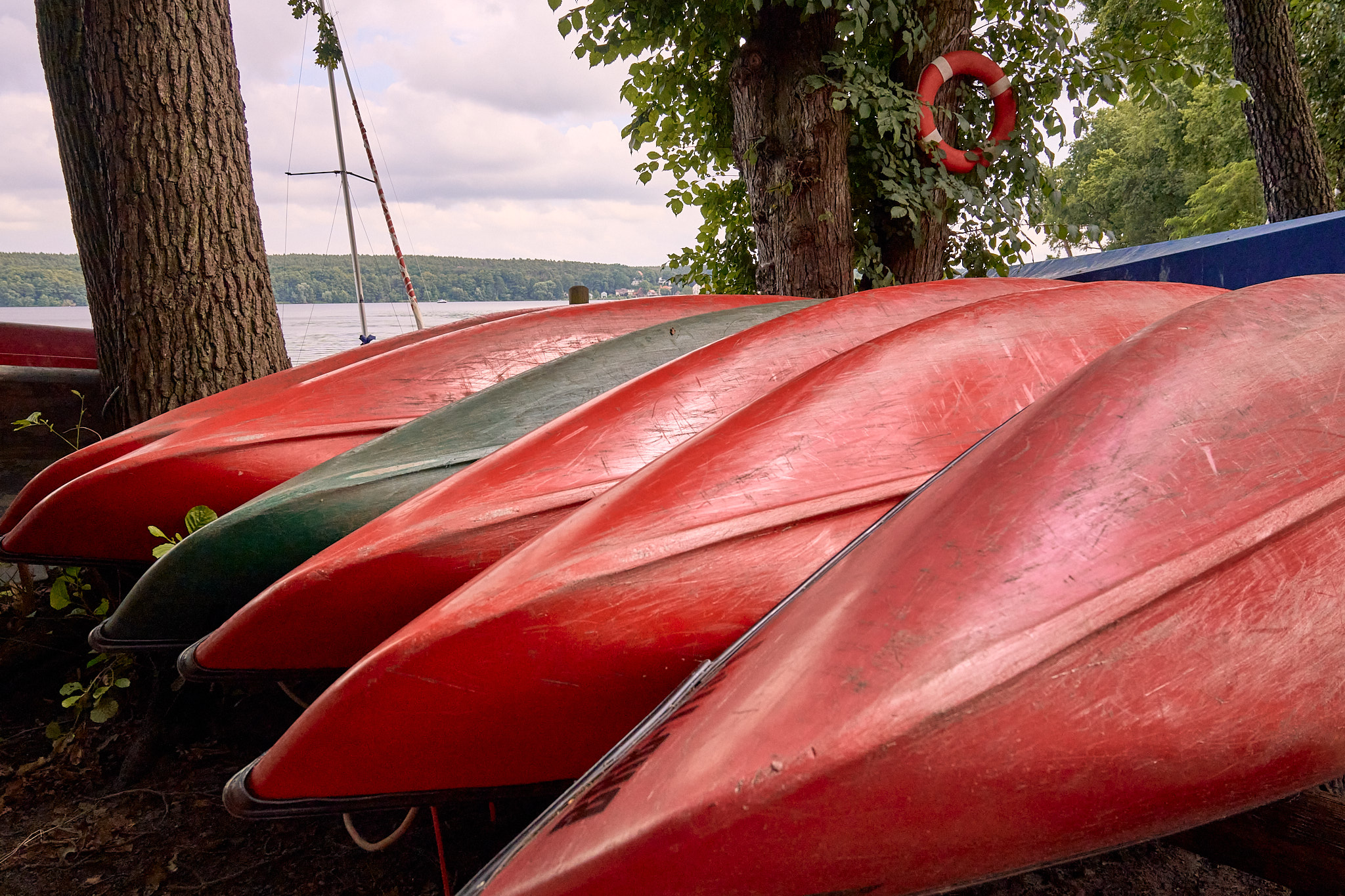
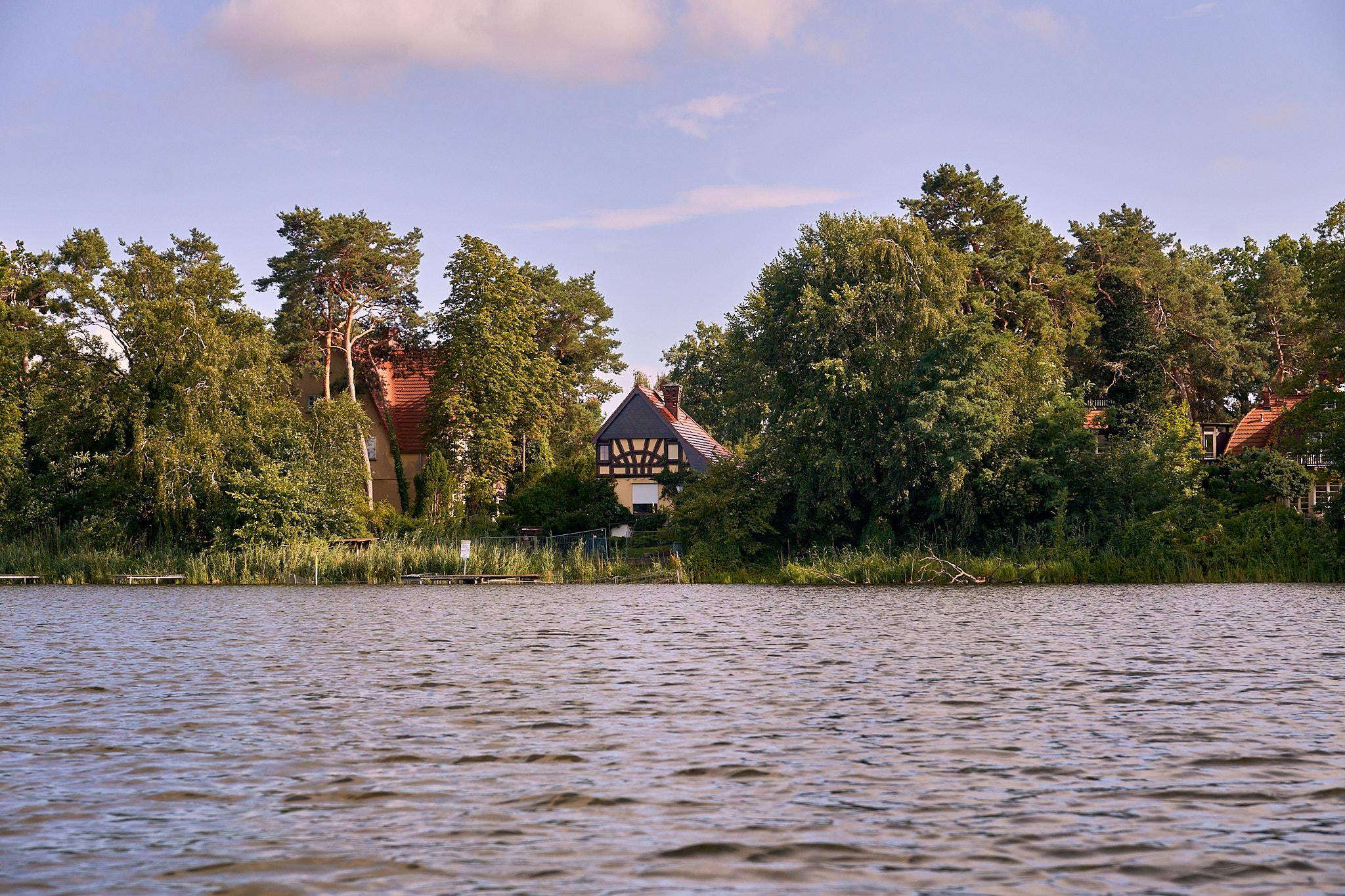
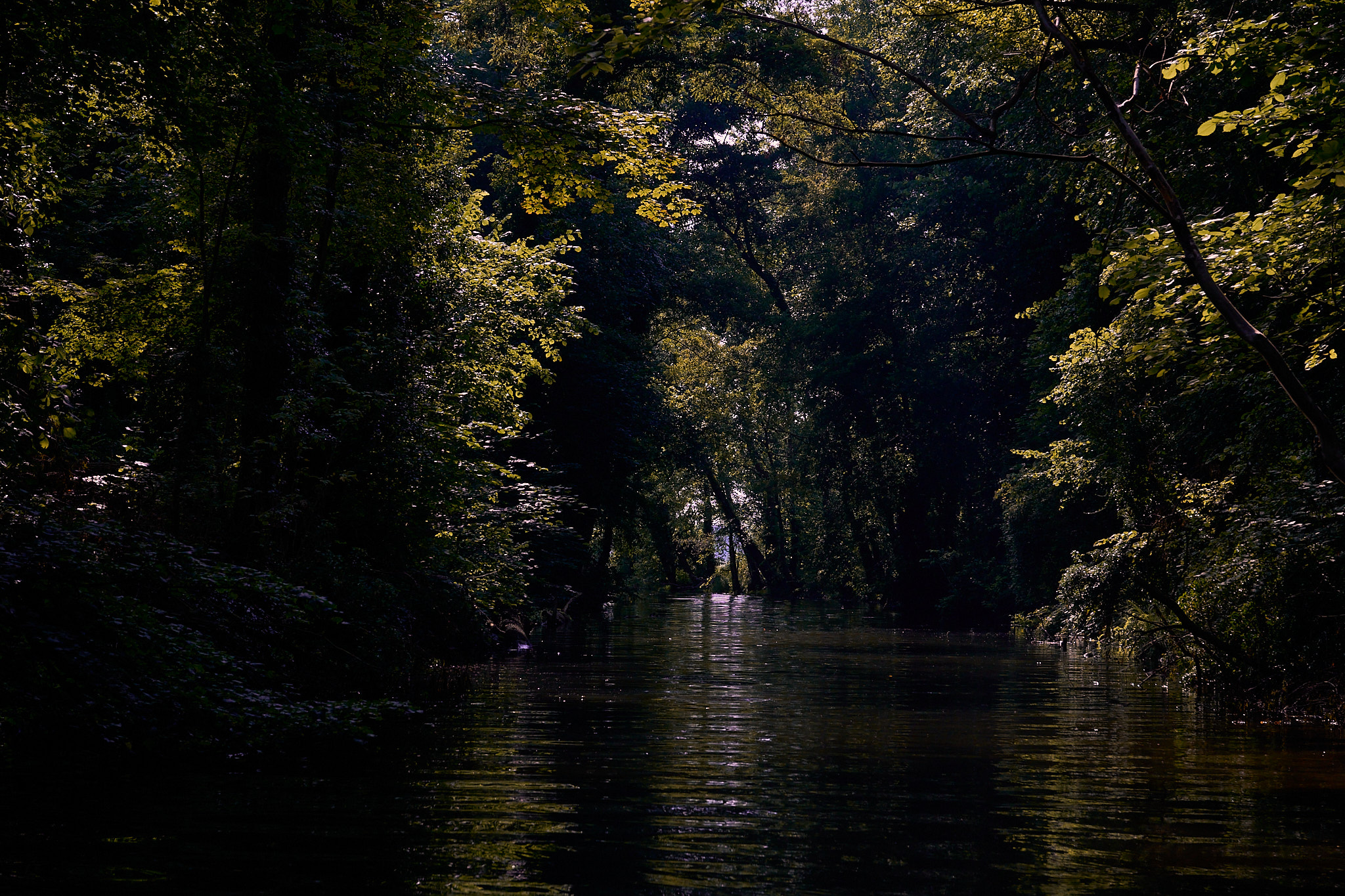
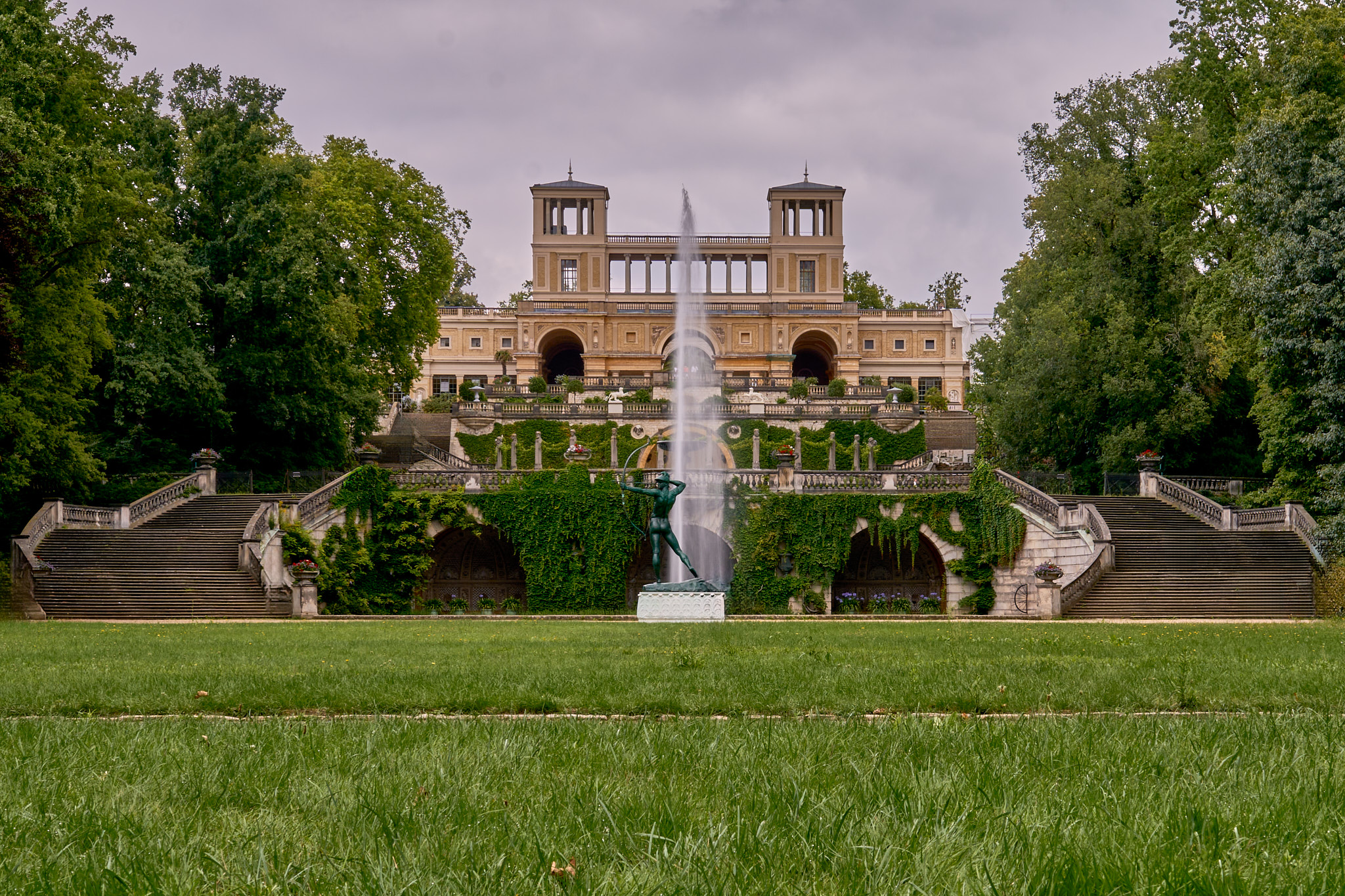
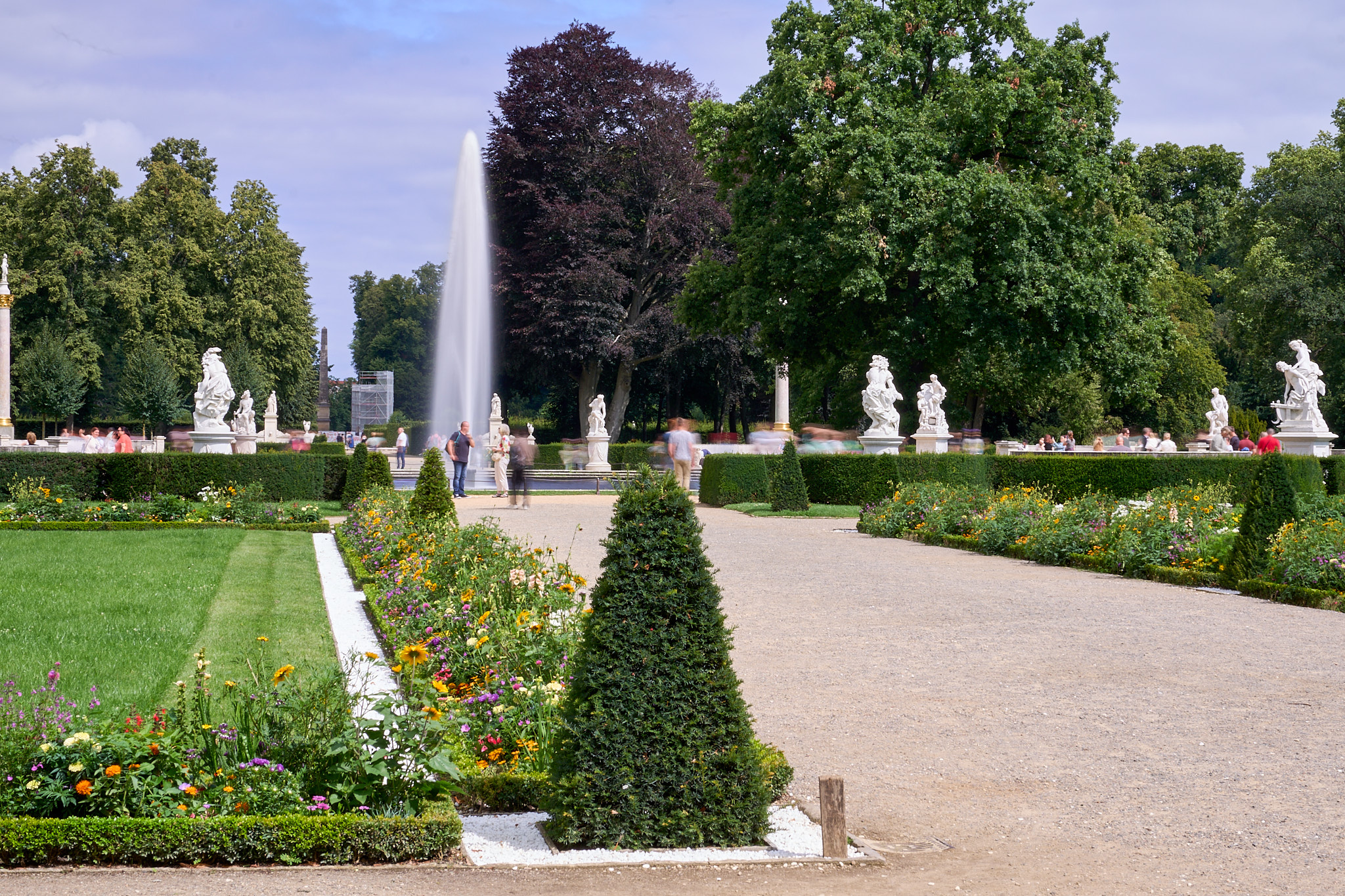
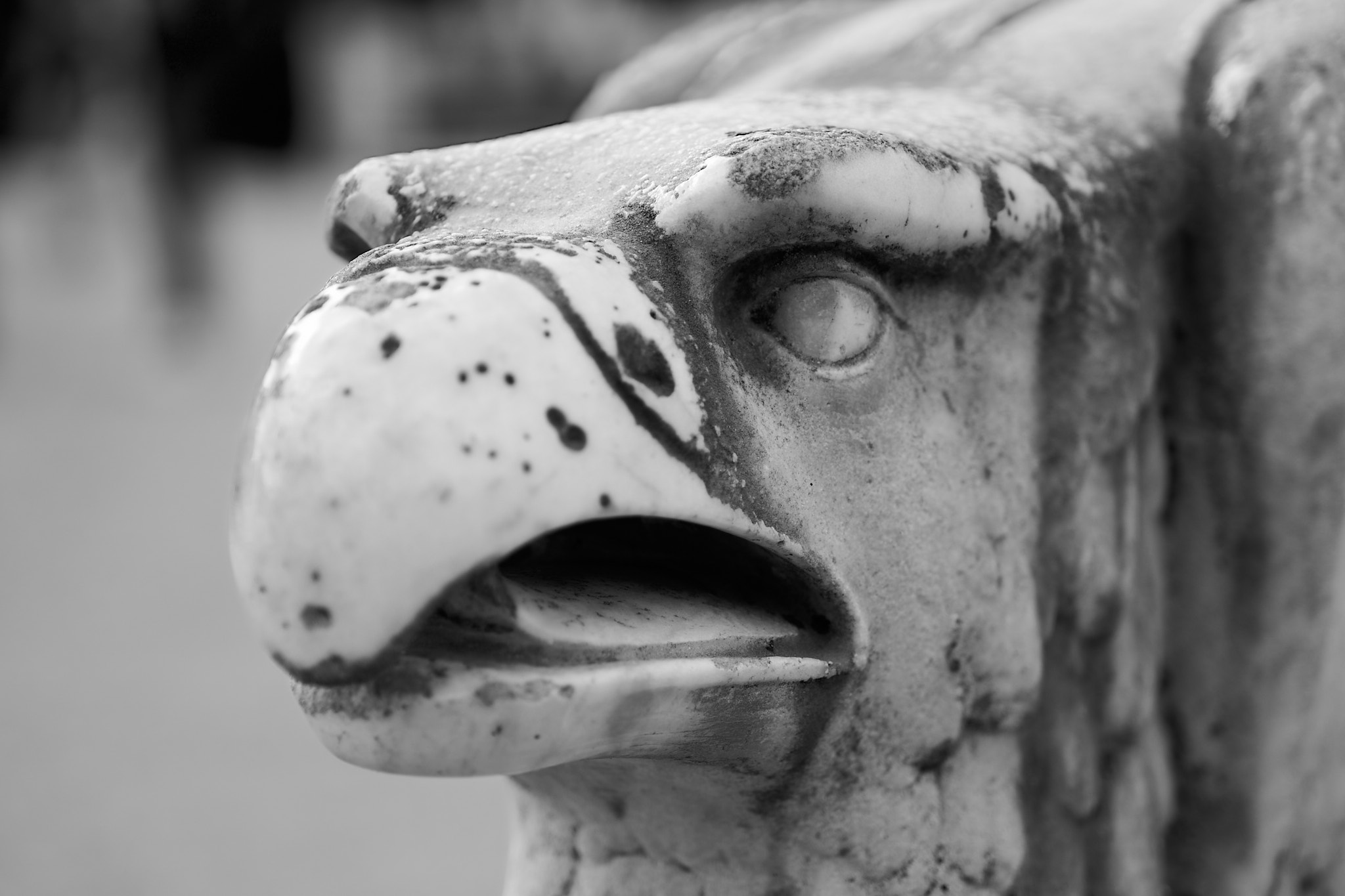
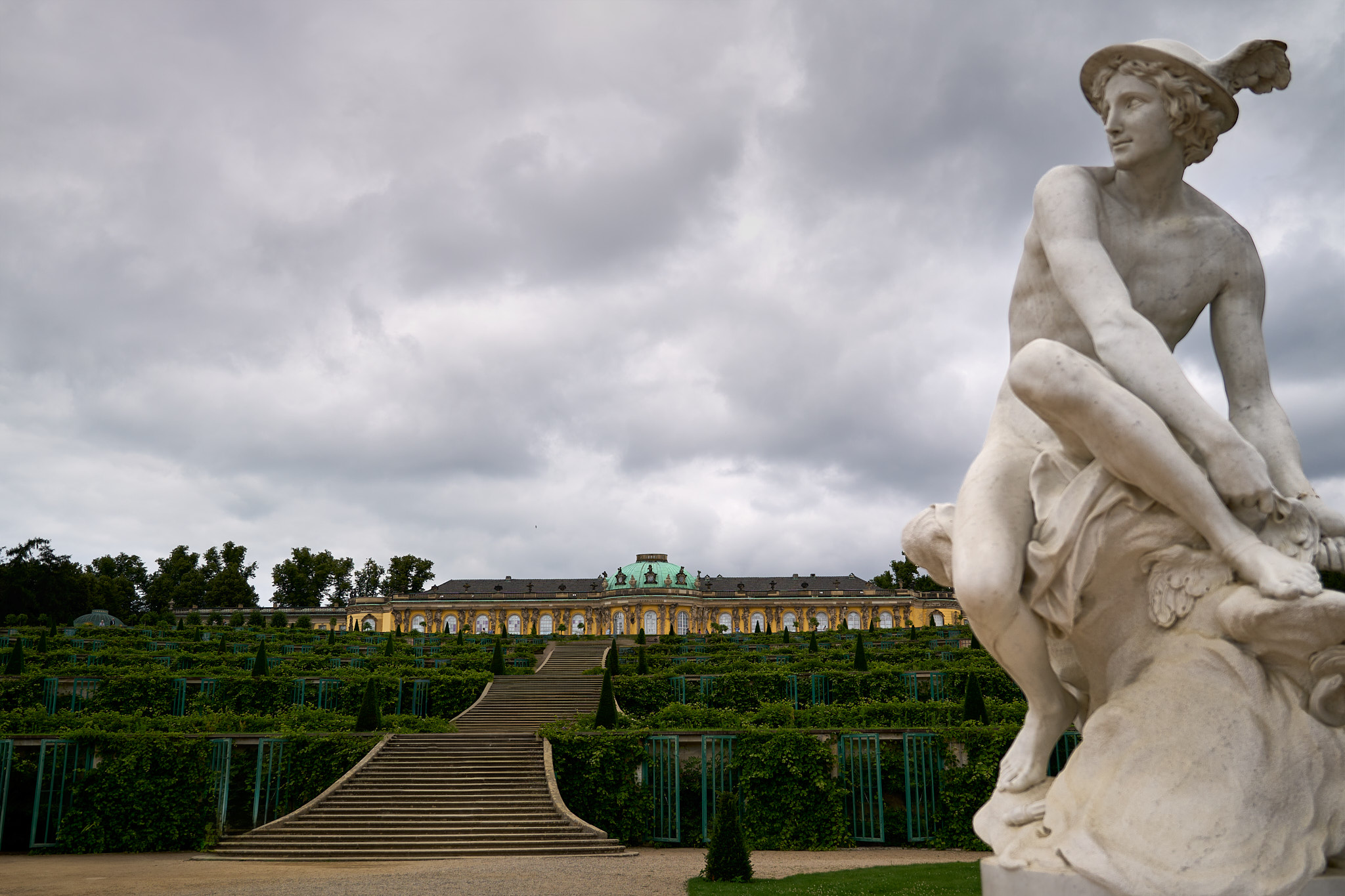
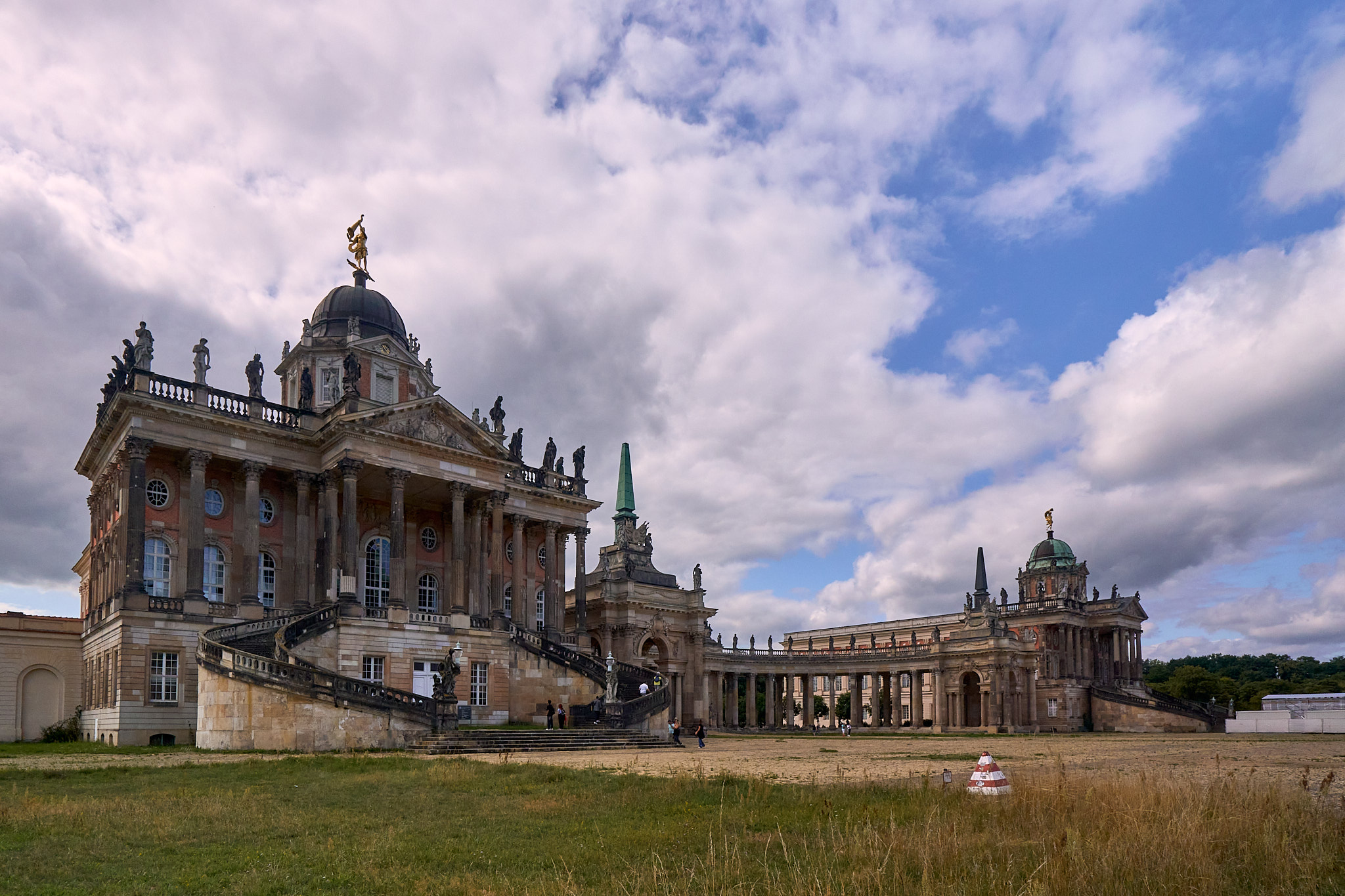
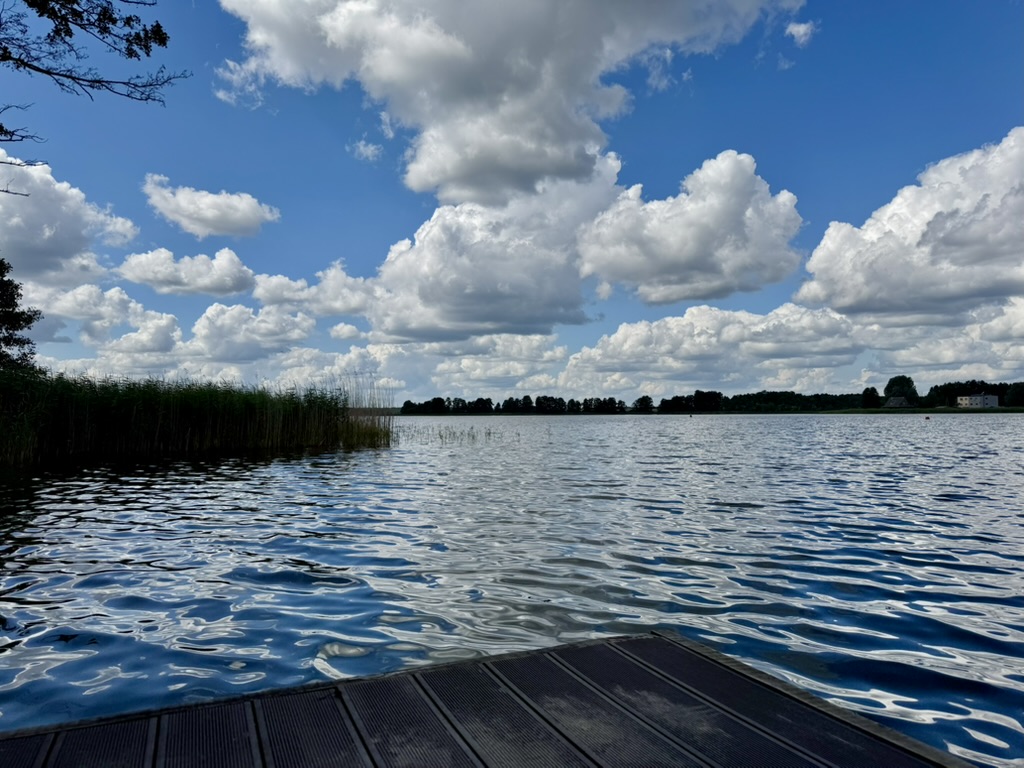
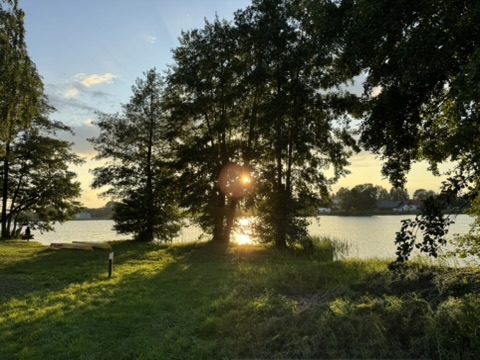
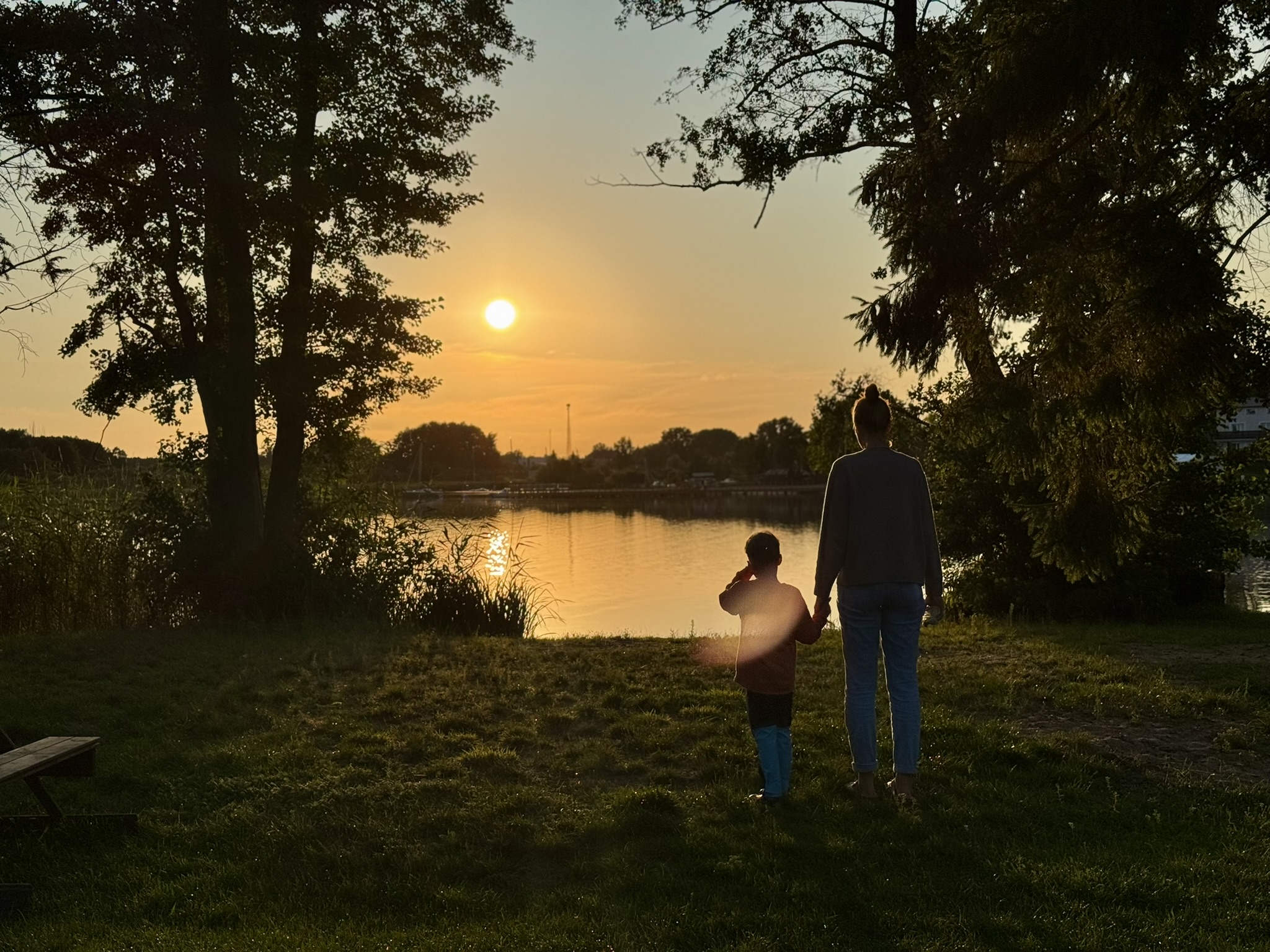
Lake Templin, where we are staying, is huge – at least from our perspective. The campsite is 2 km as the crow flies, but 5.5 km on foot from Sanssouci Palace – too far for us to walk there, then stroll through the palace grounds and finally walk back (~20 km). We’re saving this part of the itinerary for when we leave, though. So we’re enjoying life in the camper, even if our idea of it differs massively from that of the average German. The trip in the four-person Canadian canoe is wonderful, and we really should have booked four hours or even half a day instead of just two. Viewed from the lakeside, the ‘world’ looks even better and the houses dotted here and there are really charming.

Finally out in the countryside
A natural retreat
As we’d rather quickly had enough of the tourist-packed part of Kolberg, we set out to find a spot offering peace and quiet and plenty more nature. (Incidentally, the last campsite was rated number one by German holidaymakers.) We decided on a route away from the coast and drove further inland – after all, we do intend to continue our journey towards Lithuania later on. An hour or two of Googling in the evening, combined with a look at the satellite maps, brought us the success we were looking for. The region around Osiek near Kwidzyn in northern Poland is a natural haven, characterised by tranquil lakes, dense pine forests and vast meadows. Particularly charming: a secluded lake with crystal-clear water, a small island and a wooden jetty.
Relaxation
Right by the lake
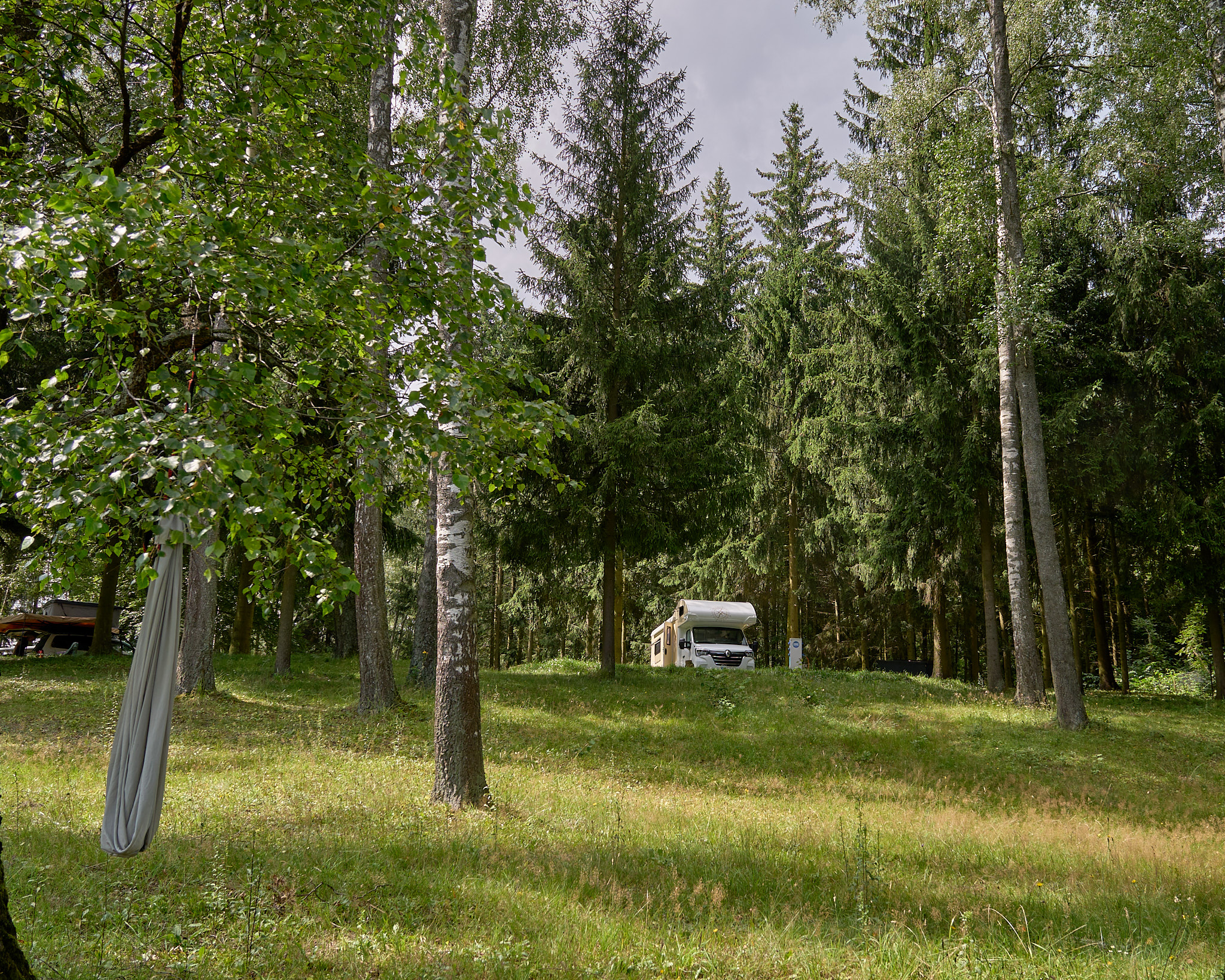
A quiet and, above all, very small campsite in a Natura 2000 area, far away from industry, towns and too many tourists. What looked like a two-hour drive on the satellite images and navigation software turned out to be a very bumpy journey on poorly maintained but tarmac-surfaced roads – at times we had to slow down to 10–20 km/h. We finally arrived at the small campsite shortly after six o’clock and weren’t sure if it would be possible to get a pitch there. The two boys were, of course, absolutely starving, so the first priority was to cook some food. Our efforts had paid off, and we managed to secure a pitch without any trouble. We were told that there had been heavy rain over the past few days, which is why much of the ‘campsite’ was still slightly flooded and shouldn’t be driven across in a motorhome like ours. We were certainly rewarded handsomely with the view and the pitch right by the lake. Now it’s time for a rest for a day or two.


History
Malbork Castle
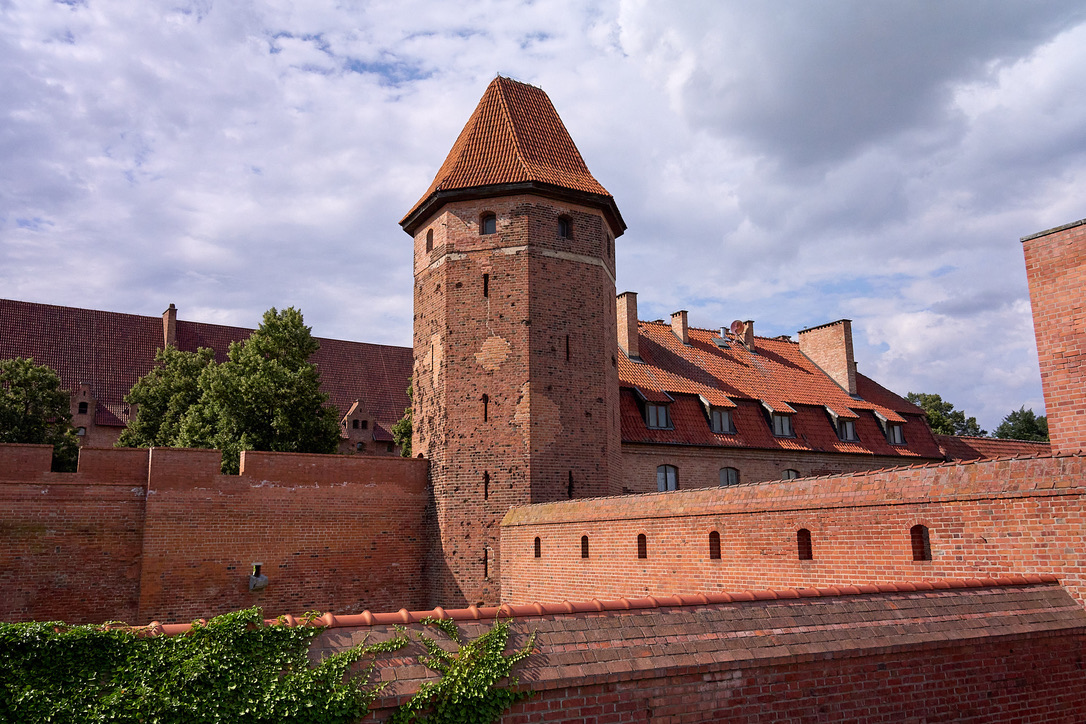
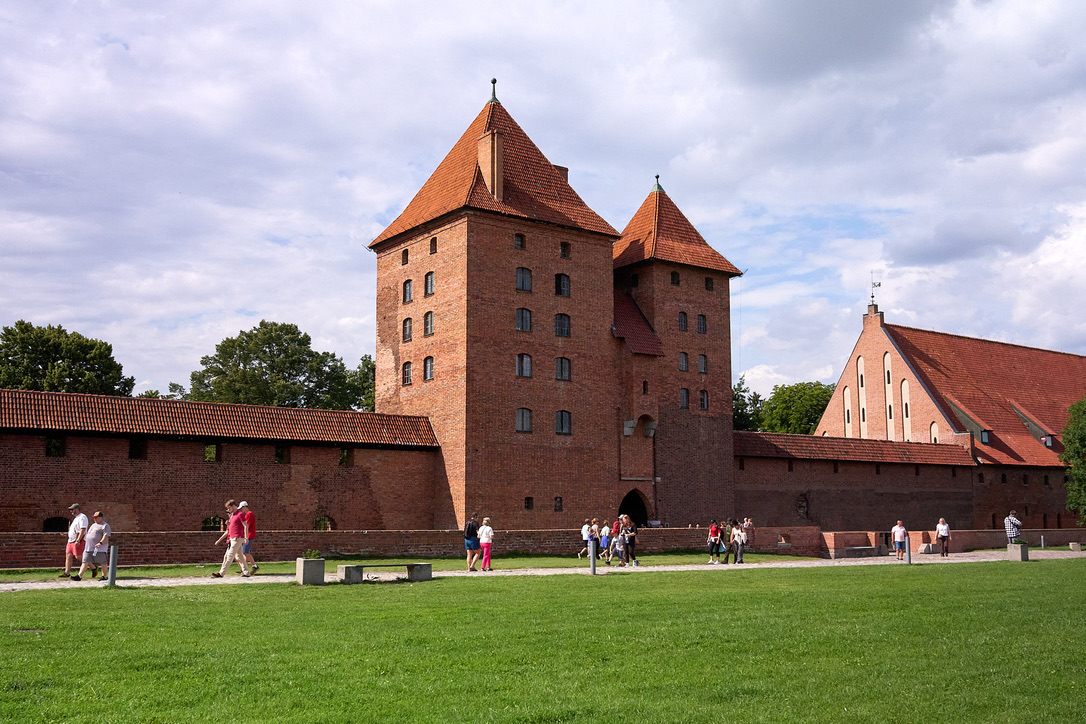
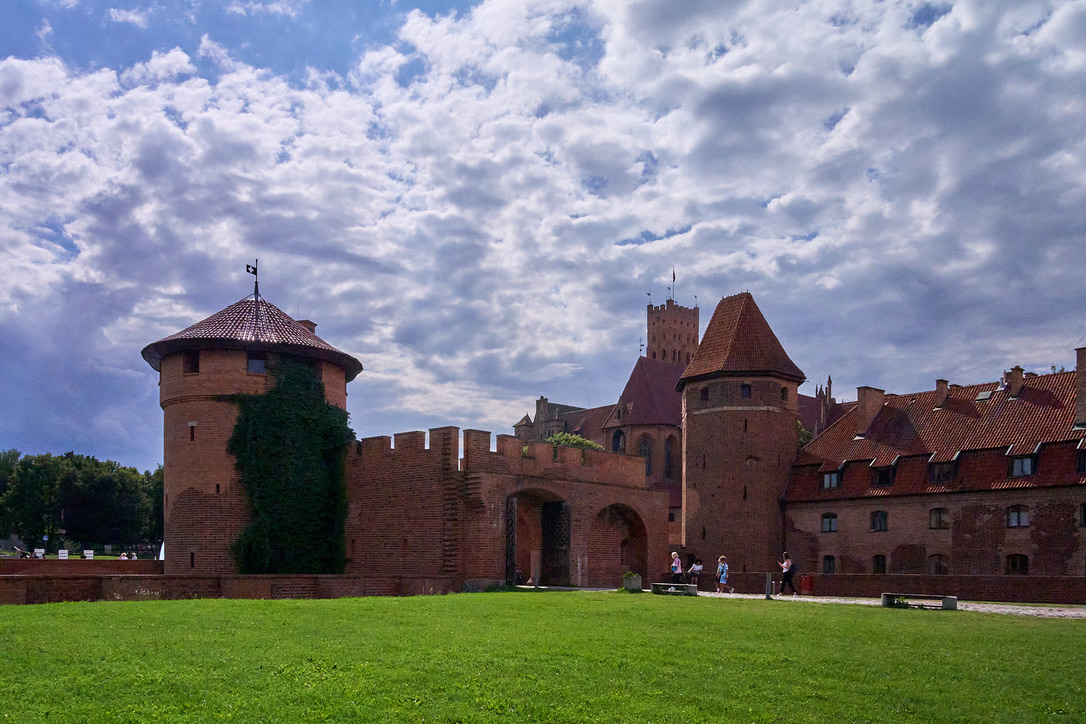
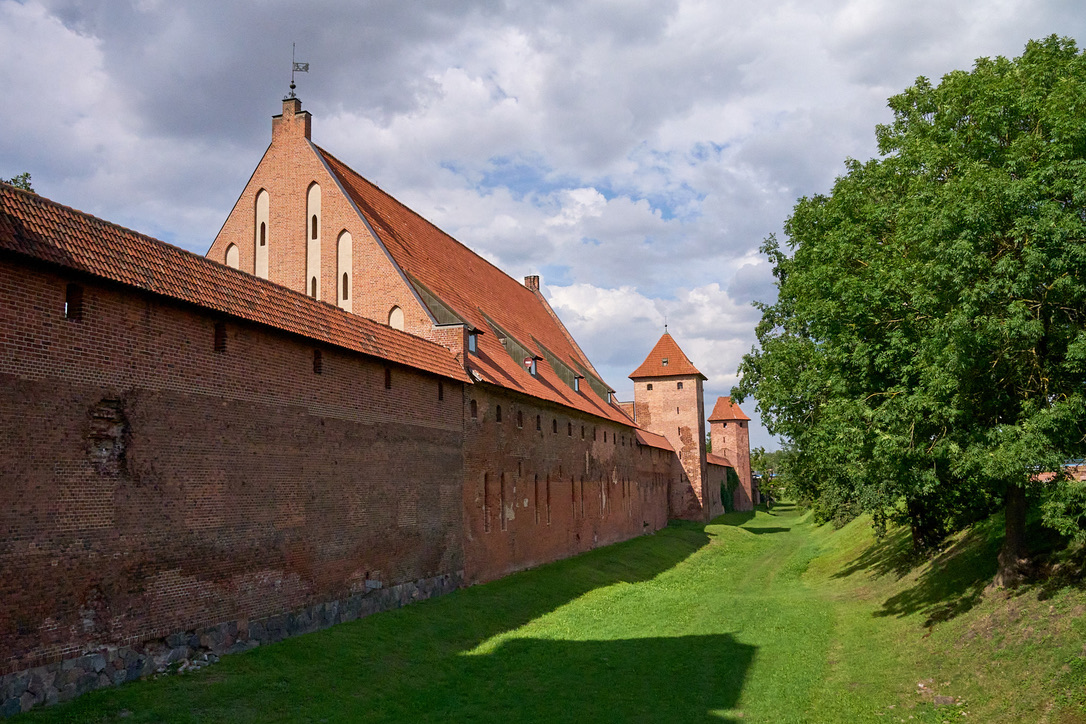
As we continued eastwards, we passed through Malbork and visited the imposing Teutonic Order castle. Malbork Castle (German: Marienburg), situated on the western bank of the Nogat River in what is now the Polish town of Malbork, is the largest brick castle in the world. Originally built in the 13th century by the Teutonic Order, it initially served as the seat of a regional commander and, from 1309, as the residence of the Grand Master – and thus as the administrative centre of the entire Order’s state. The complex is impressive not only for its sheer size, but also for its organisation. Within the castle walls, the knights of the Order lived according to strict rules – with fixed prayer times, a monastic daily routine, their own administration and well-stocked storehouses. The castle was almost self-sufficient: with its own mill, brewery, granaries and one of the earliest hot-water heating systems in Central Europe. The town developed around the castle, inhabited by craftsmen, merchants and ordinary citizens. Whilst the castle was always well-supplied, the town could certainly experience supply shortages – particularly in difficult times. It was less a case of coexistence than of living side by side: power lay with the Order, whilst everyday life took place outside. We did not, however, take the tour through the vast inner courtyards. Malbork is far more than a historical site. I believe it is a striking testament to how much buildings reveal about the societies that built them – and how new ideas can still emerge from ancient walls today.


Pure relaxation!
Chilling by the lake
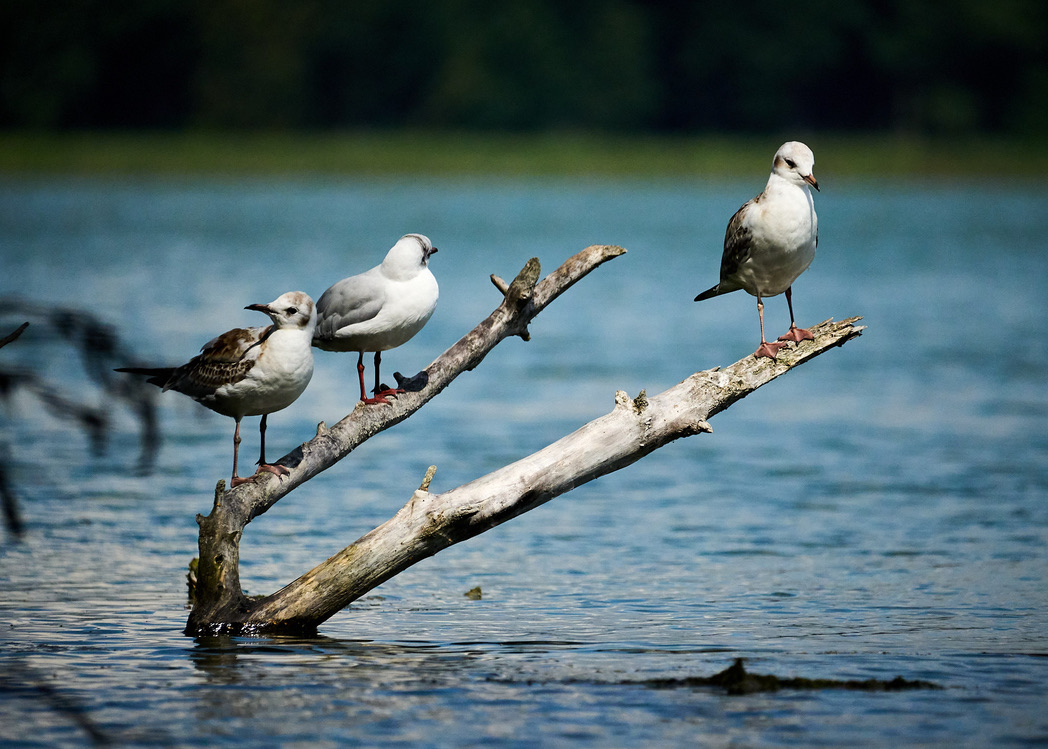
Whilst still in Osiek, we met the German campers Steffi, Hanna and Marc, who recommended Lake Narie to us – thank you very much for that! When we arrived in the evening, dinner was initially the main priority – we were hungry, and besides, a light rain had started to fall. There wasn’t much else to expect that evening. But sometimes you just have to wait and see. The next morning, everything changed: the sun peeked through the clouds, and with it the true magic of this place was revealed. We stood right on the shore of Lake Narie, surrounded by nature, nature – and yet more nature. Clear, still water, rippling gently in the wind, made the rising sun glisten on the lake’s surface. Dense reeds lined the shore, alongside meadows and a forest of towering pines and birches. We are here in the Marog region, a quiet, less touristy part of Poland that offers exactly what we were looking for.
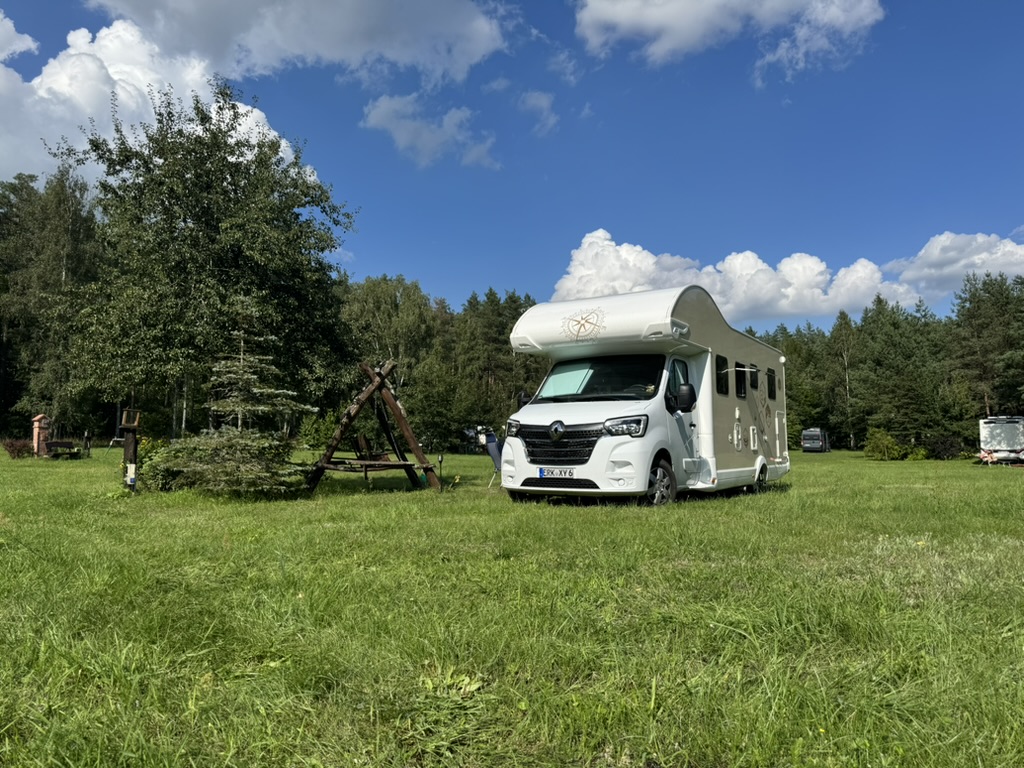
Wow
The most beautiful campsite in Poland
We find a lovely spot run by Heinz Grundel from Germany and his wife Johanna. A heavenly little corner of the world in the heart of Masuria, near Elk. The photo definitely hasn’t been touched up in Photoshop; not only does it really look like this, but everyone is also standing quite a long way apart.

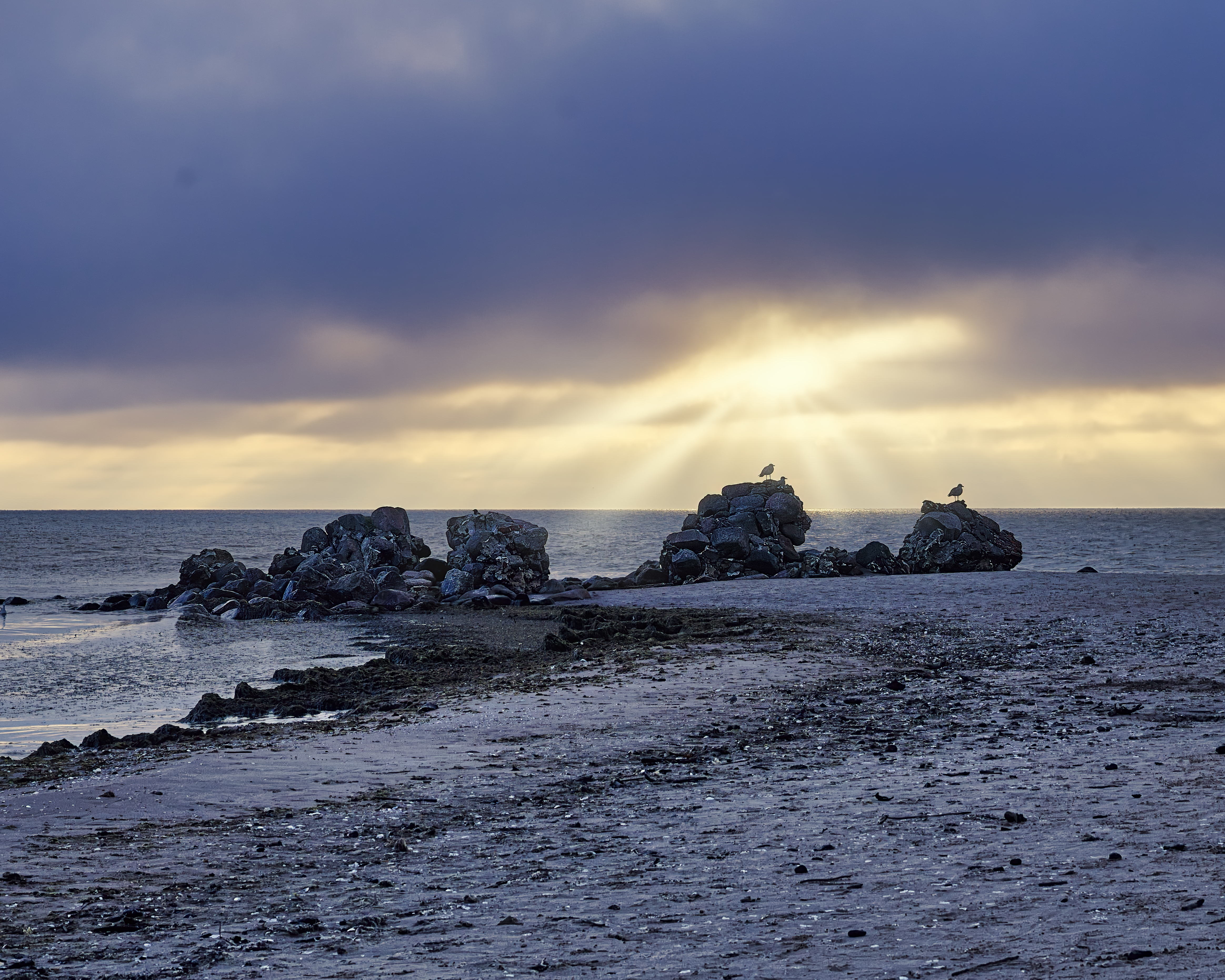

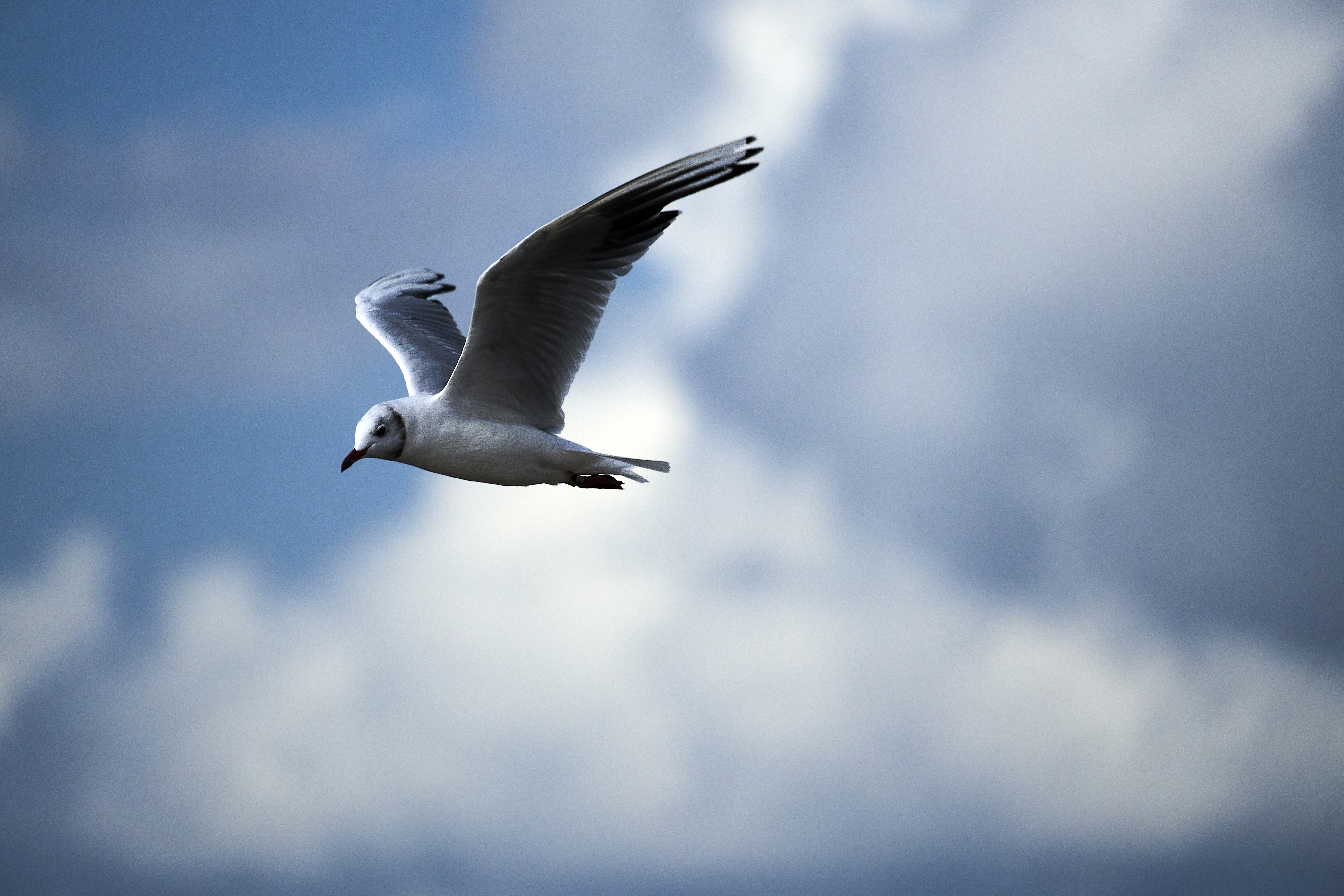
Summer atmosphere
Western Latvia
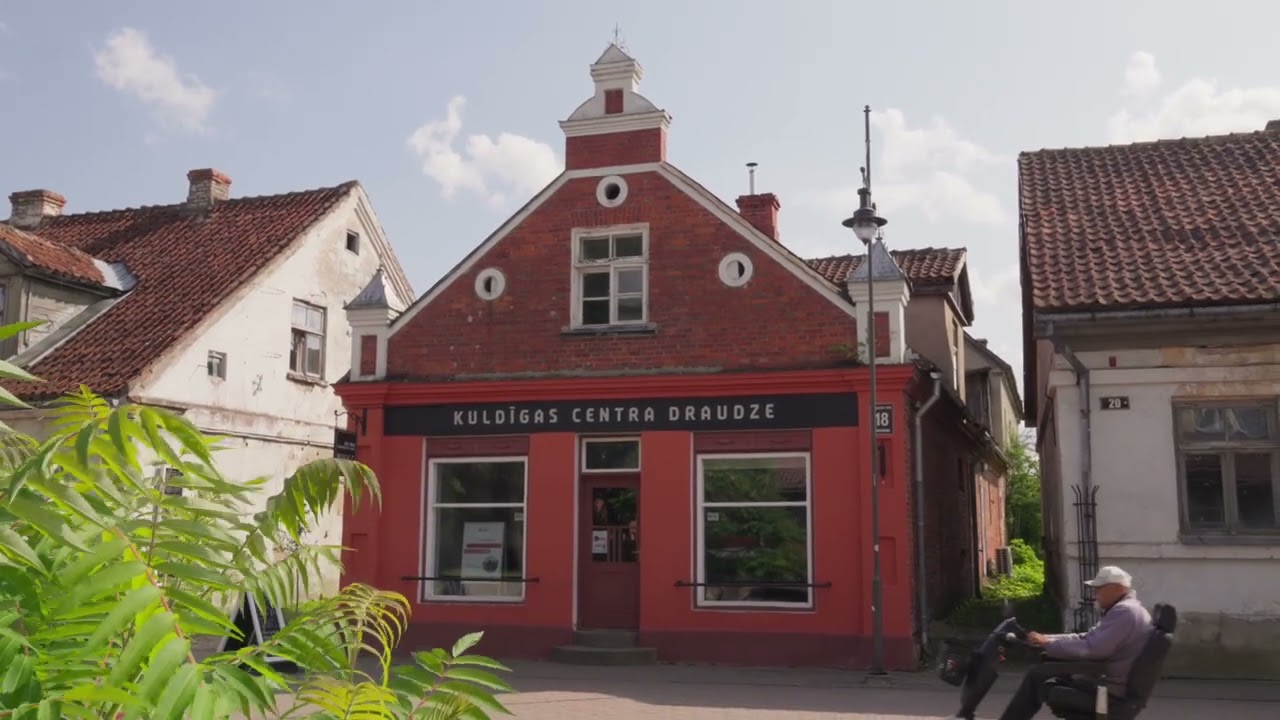
We’re keeping this report very simple – we’re just going to share a video (see below). It’s not that we’ve been lazy, but we’ve simply been enjoying our time in Latvia. With so many kilometres covered, a breather is always needed now and then, so we’ve been enjoying the beach, doing the laundry and opening the school.
Lithuania
Not as expected
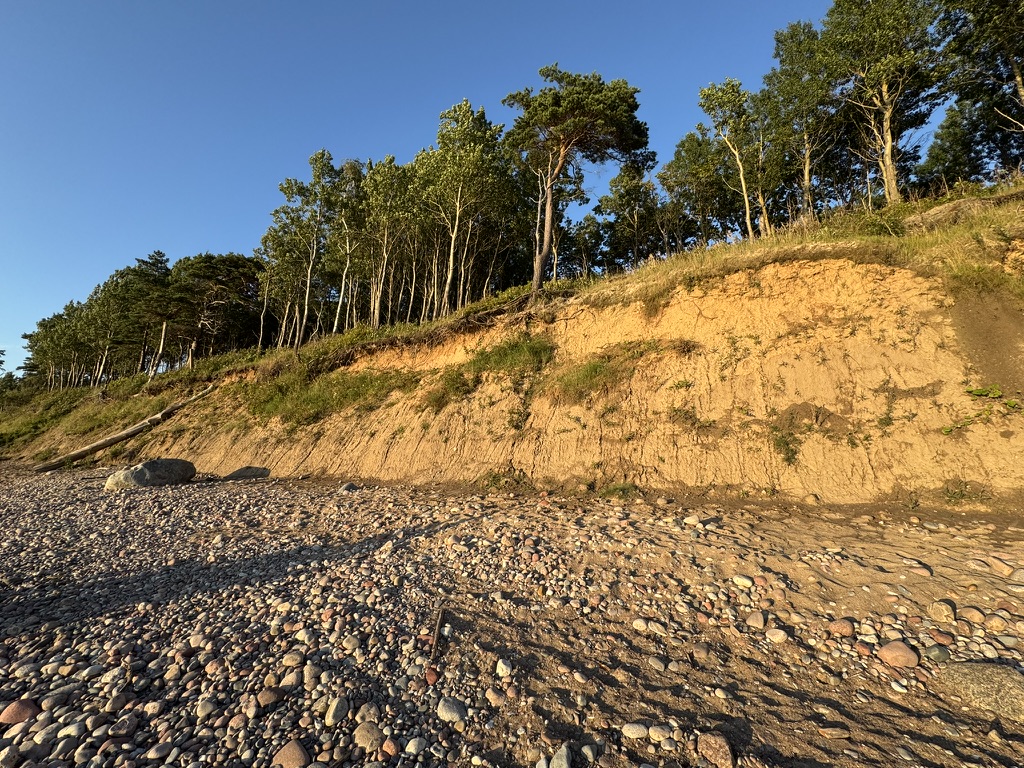
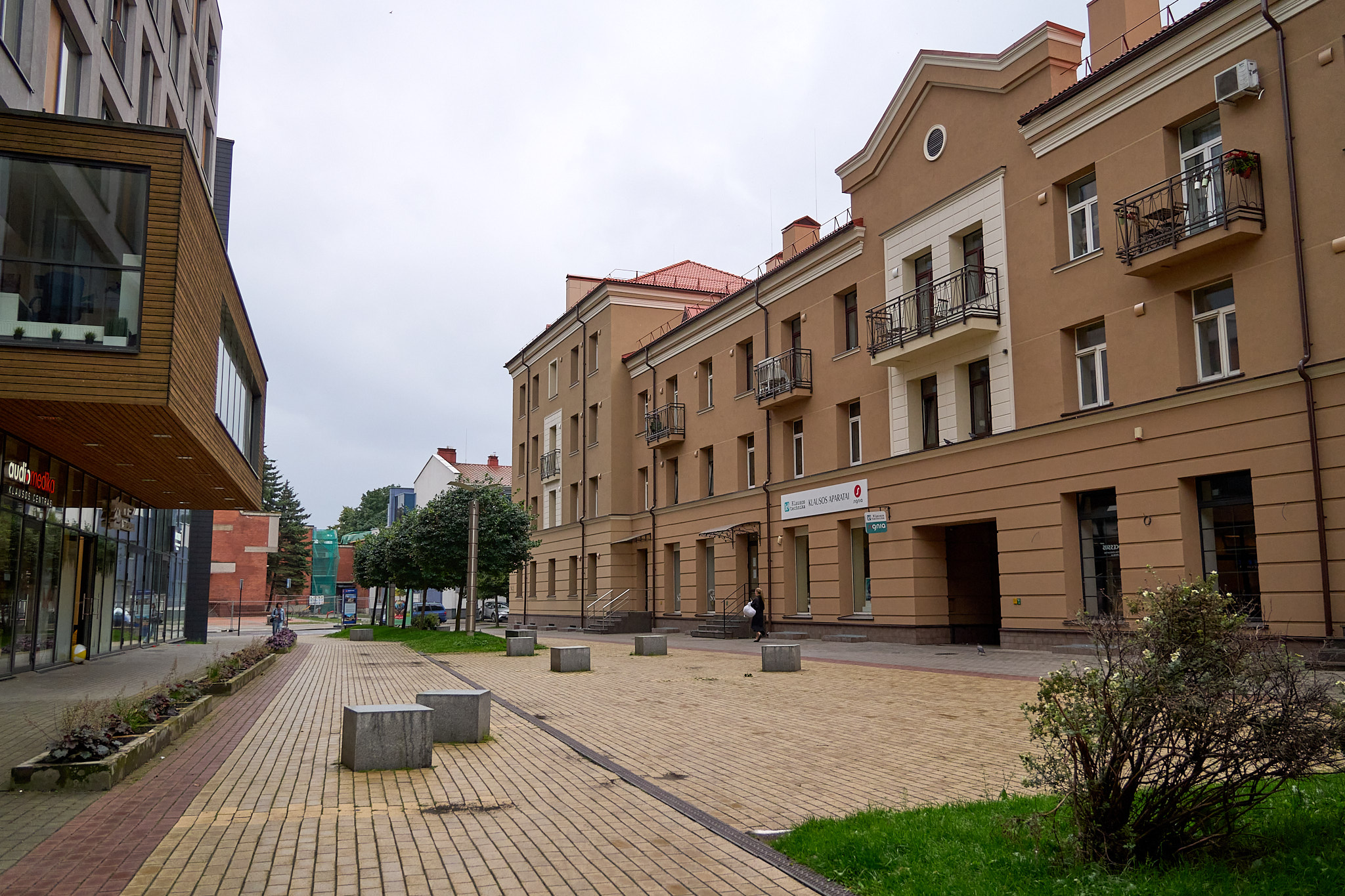
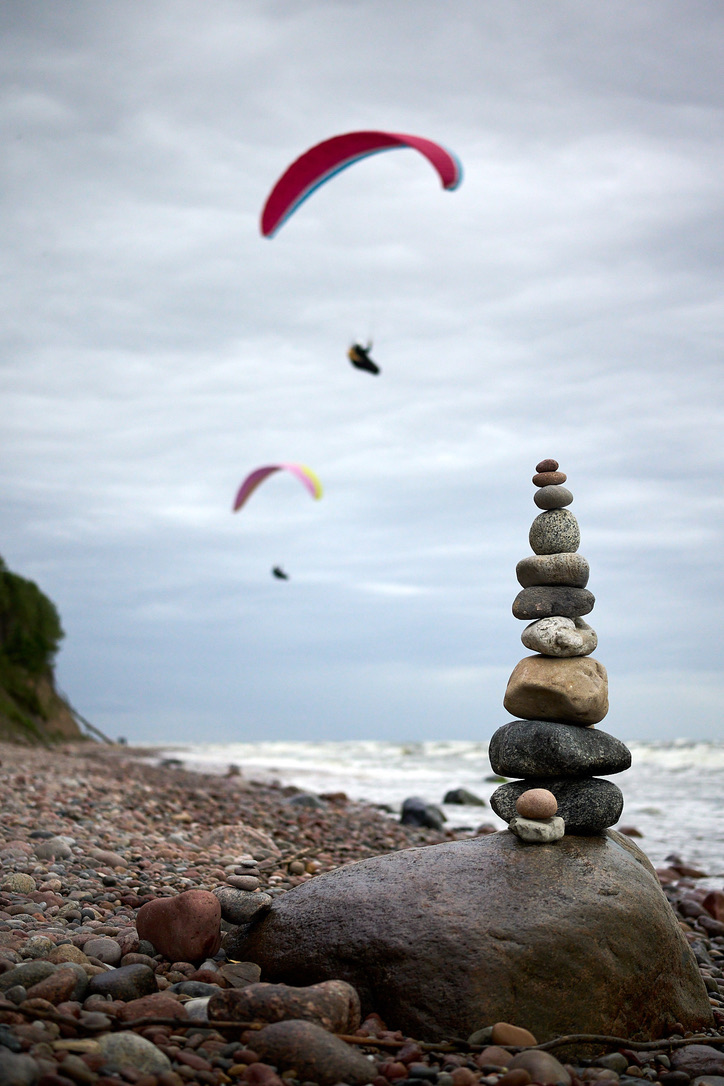
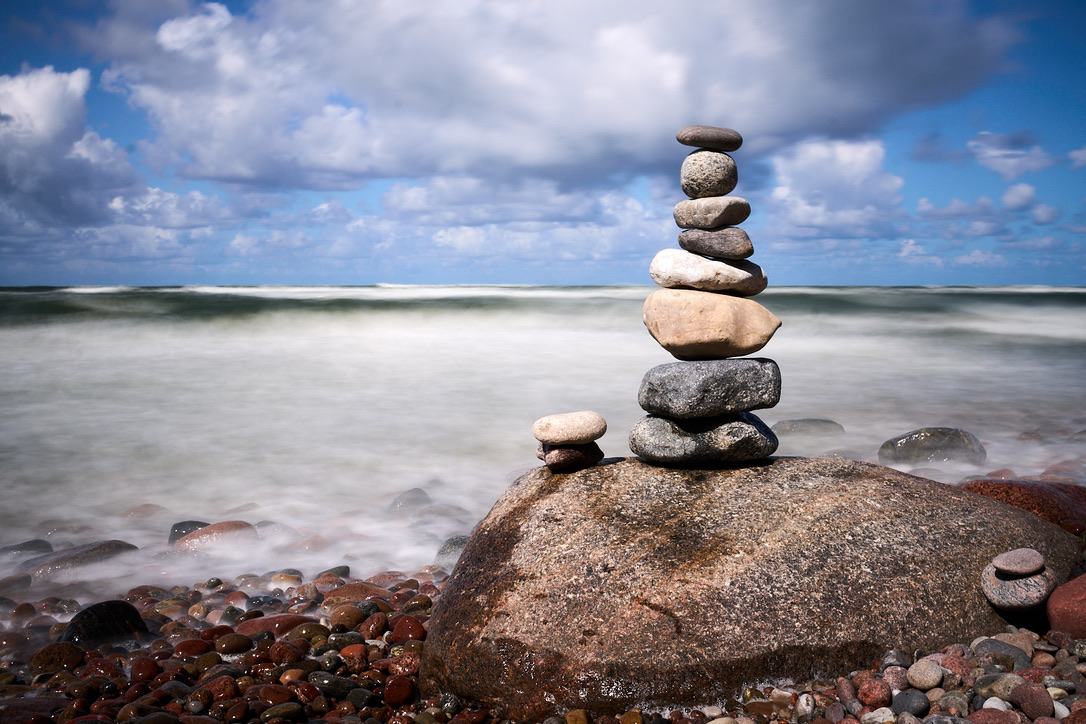
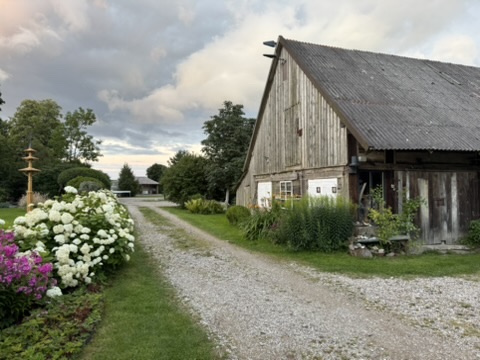
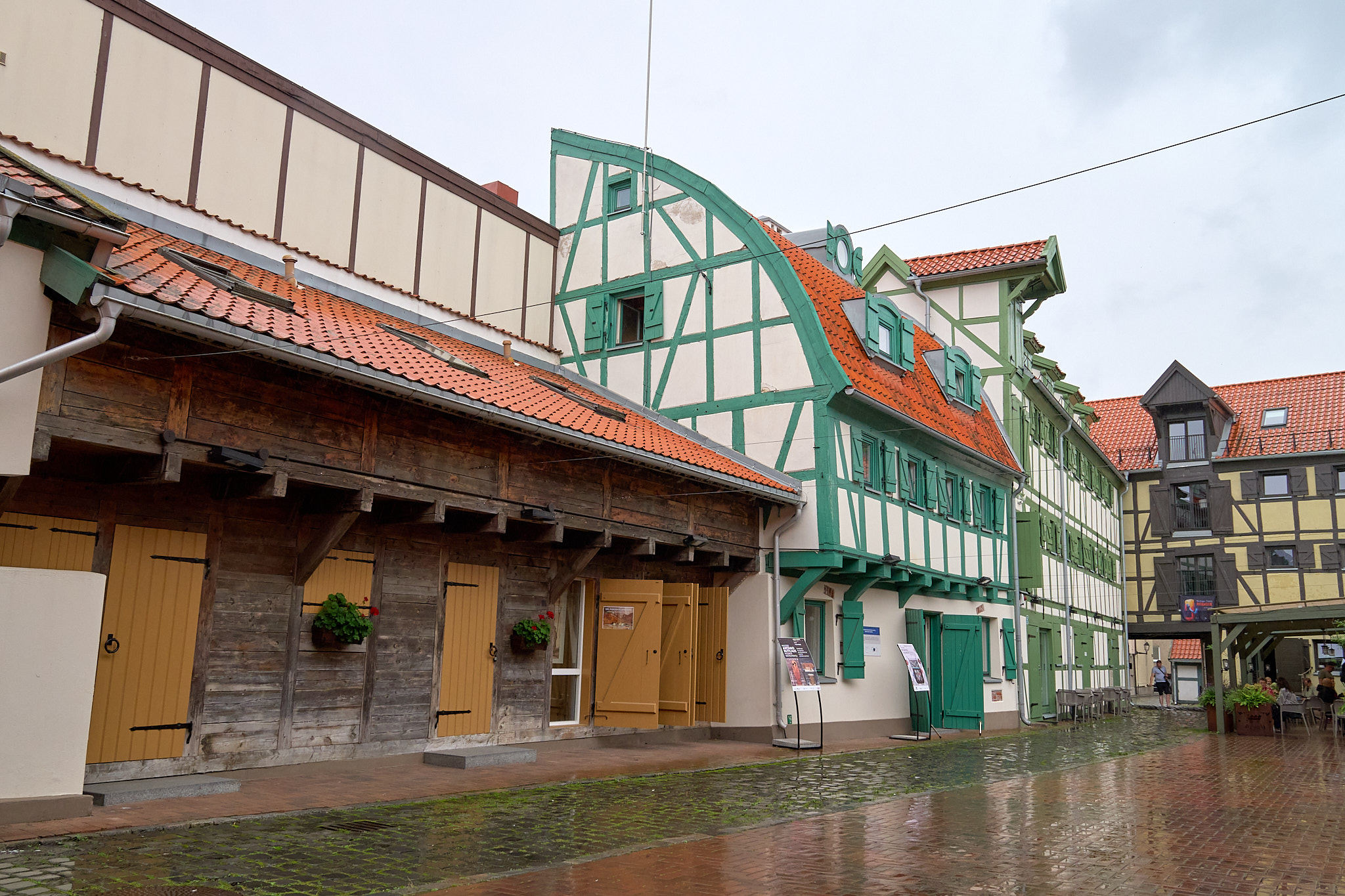
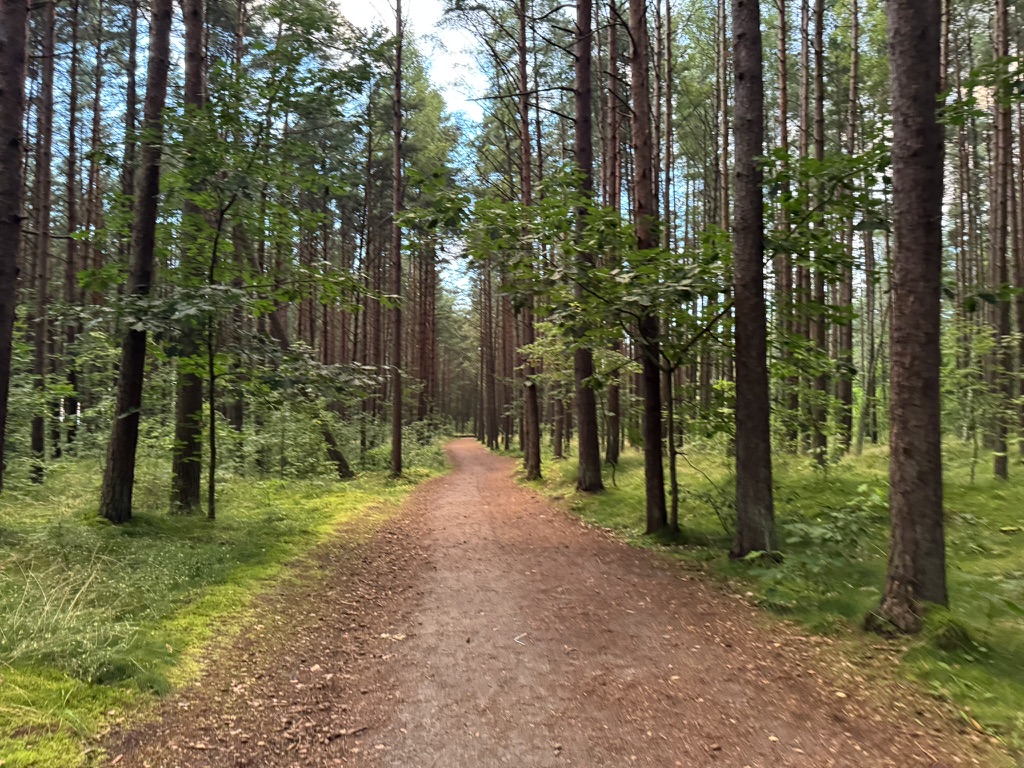
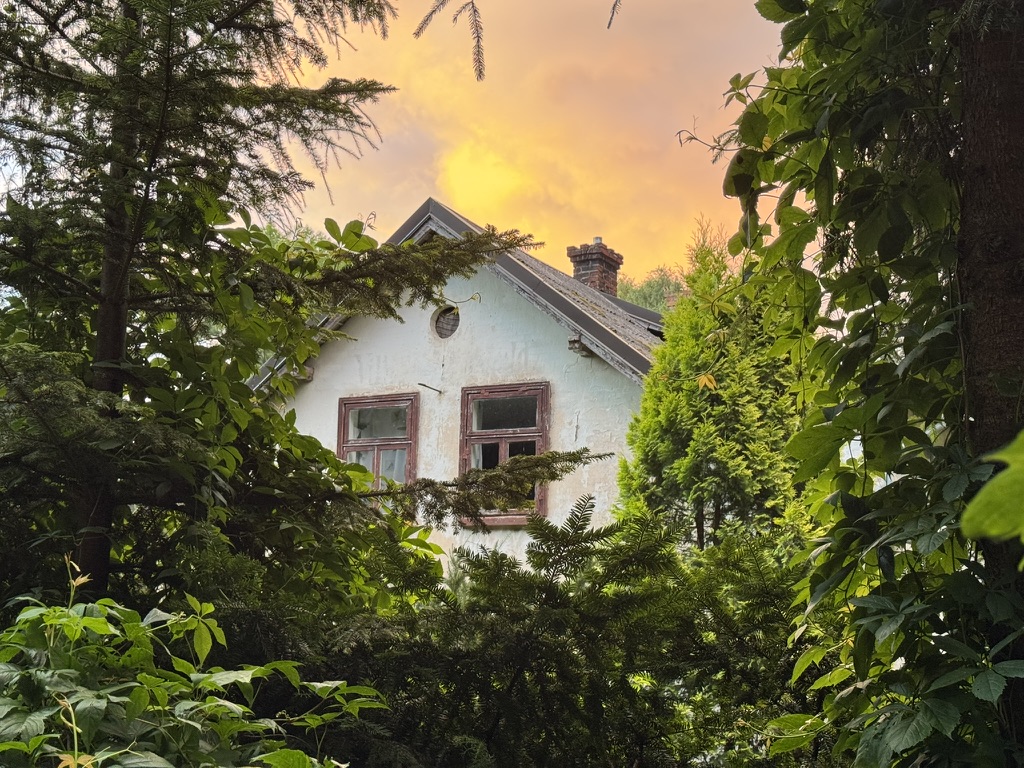
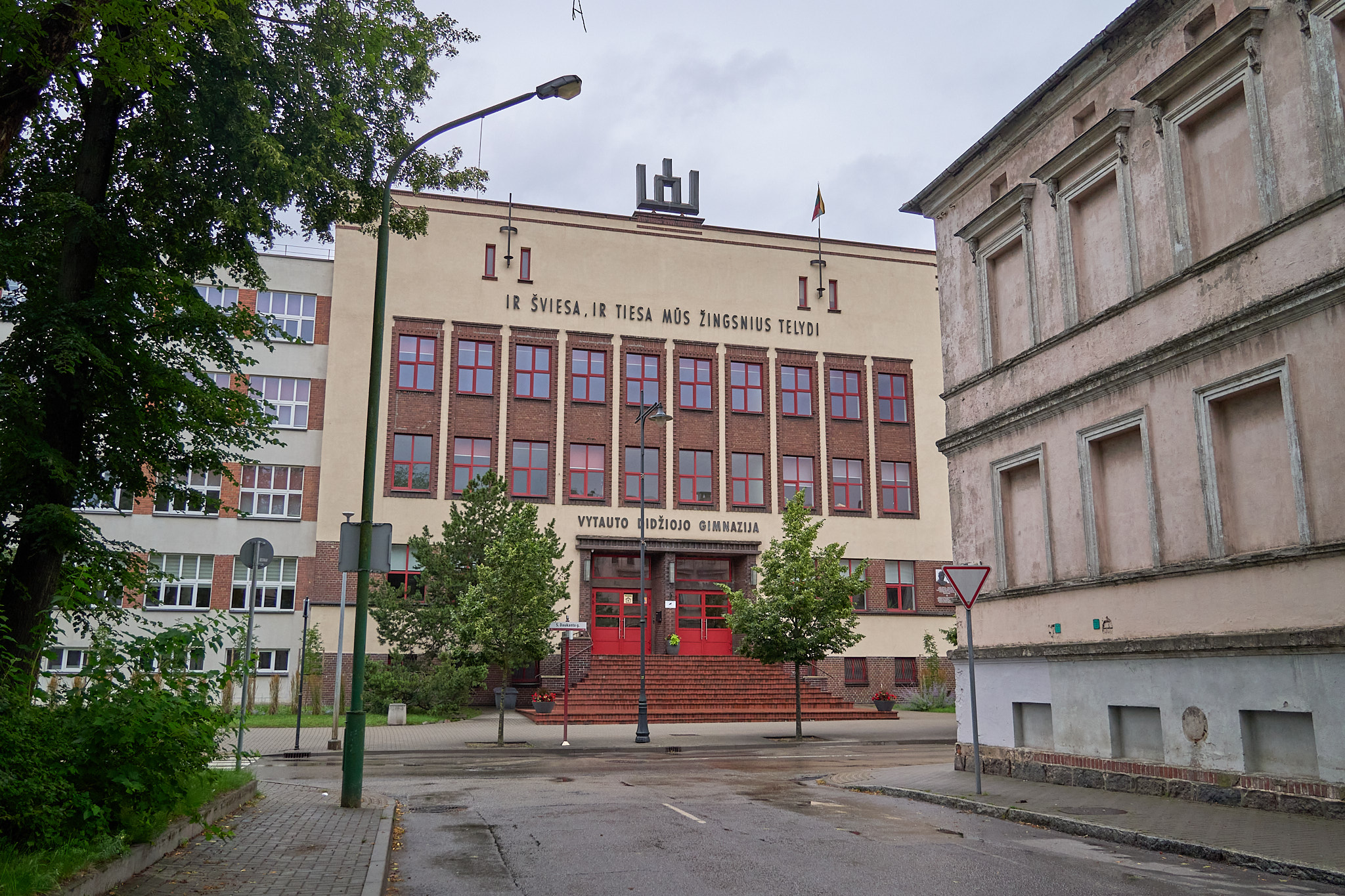
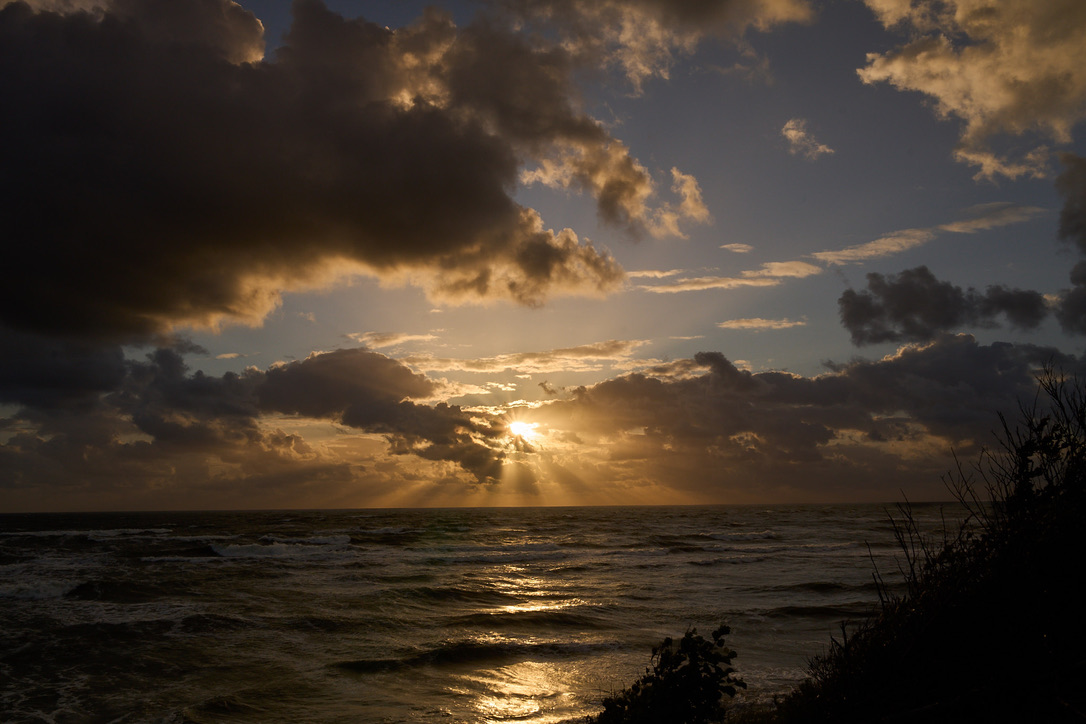
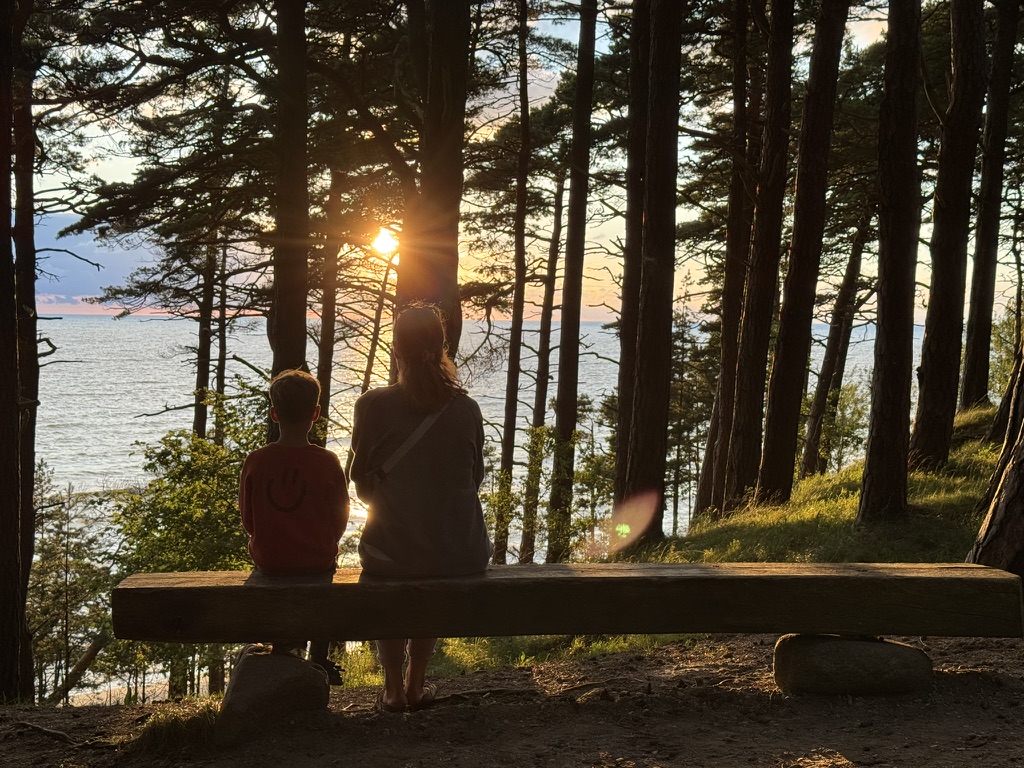
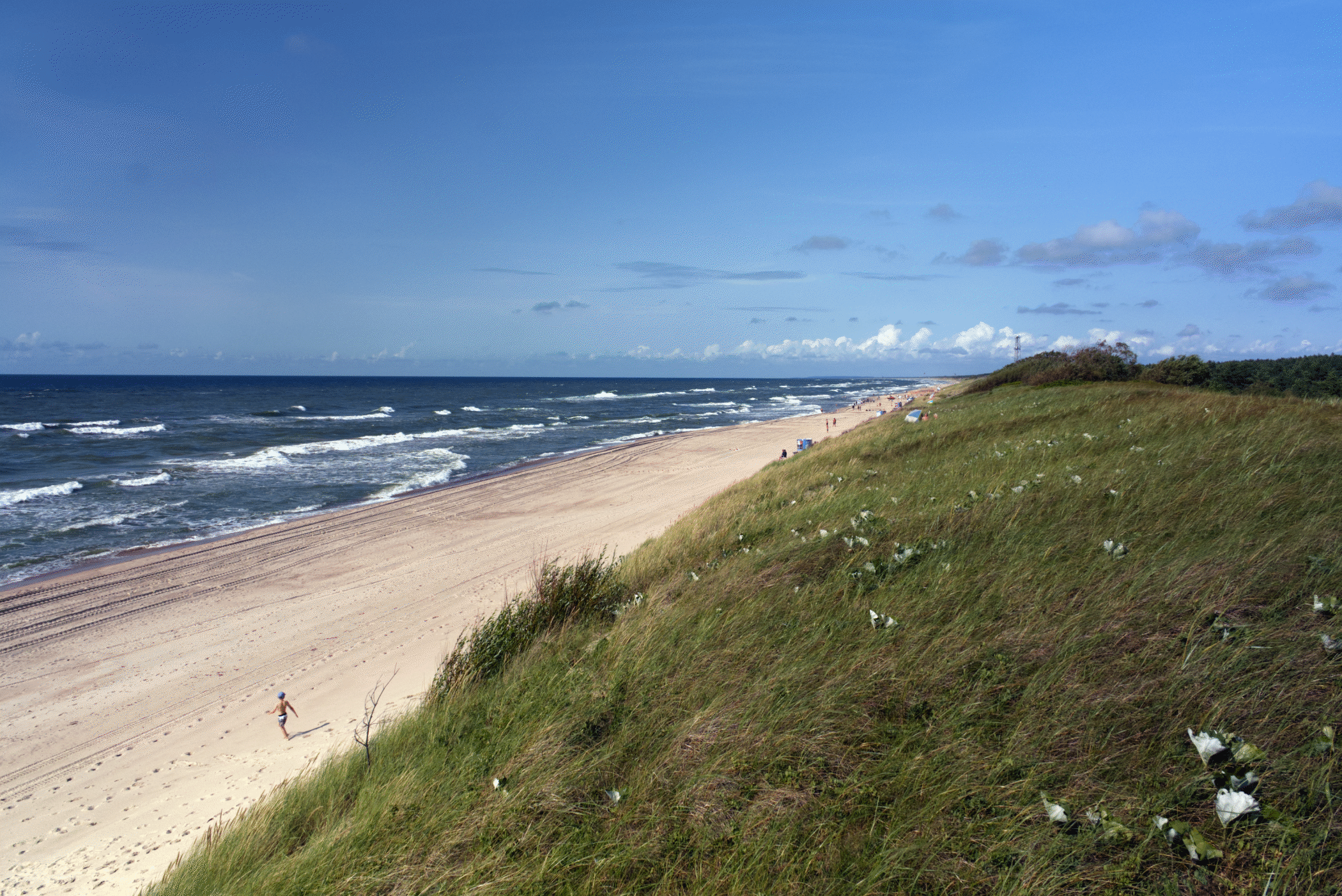
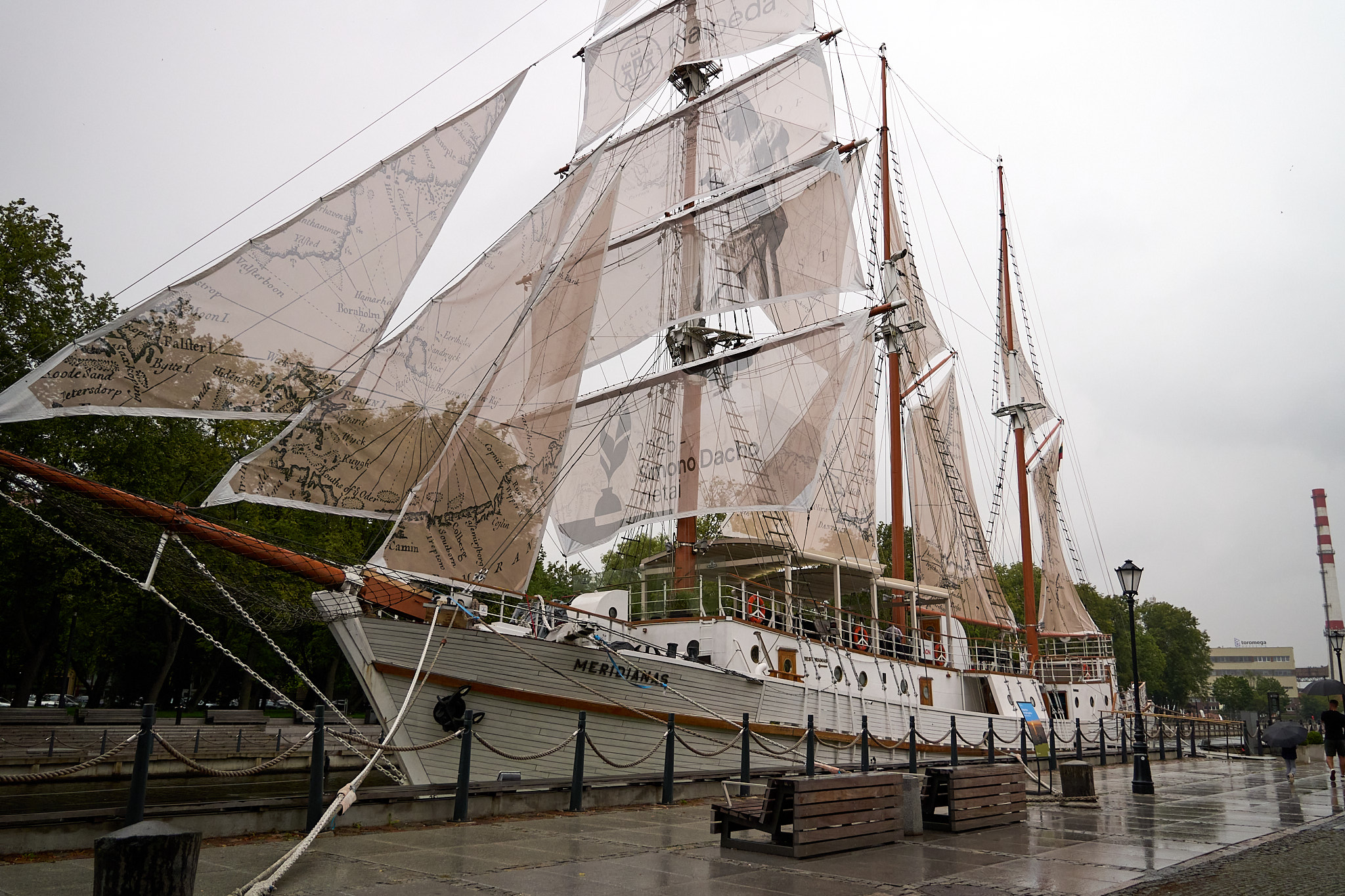
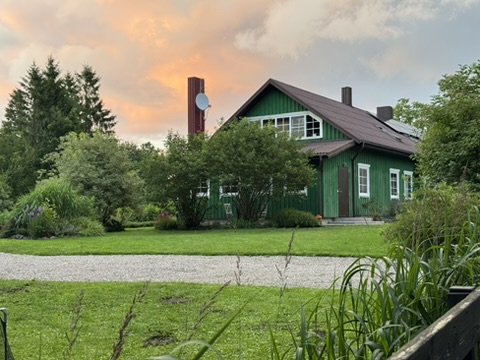
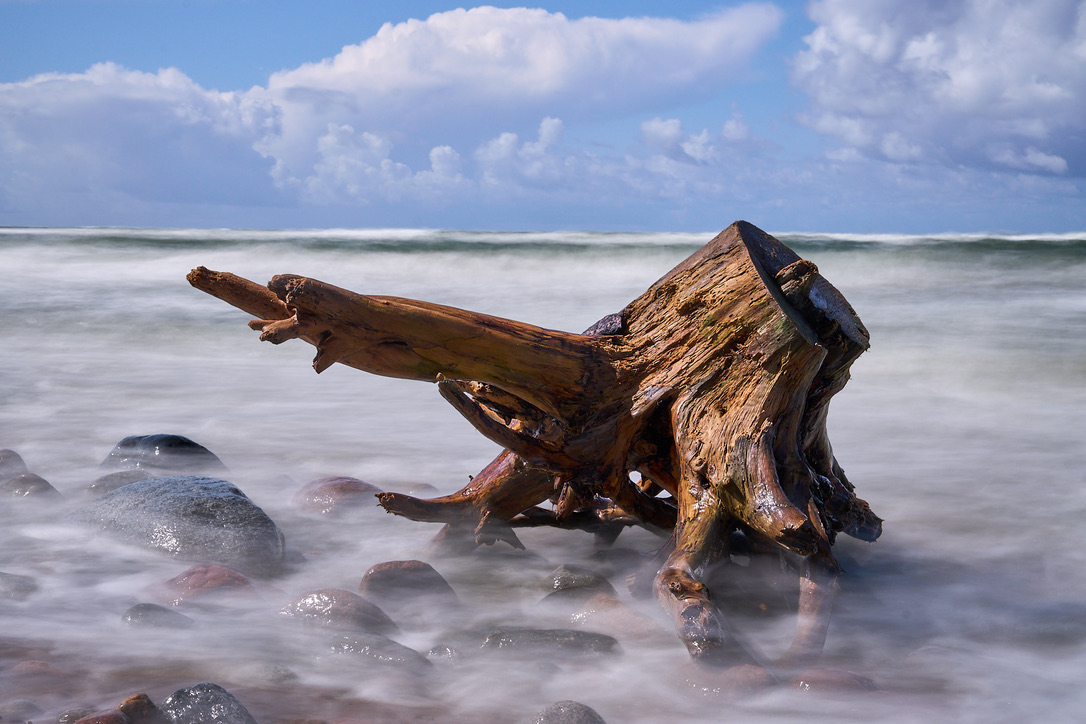
To be honest, I had underestimated Lithuania before. What we experienced here took us by surprise – and left a deep impression. The region around Klaipėda presents a fascinating contrast: the city itself has an industrial feel, with clear traces of its Soviet past, but as soon as you cross over by ferry, everything is different. The Curonian Spit is like another world: vast pine forests, immense dune landscapes, quiet villages and long, virtually untouched beaches on the Baltic Sea. It is a place that compels you to find peace – in the best sense of the word. Here you hear the wind, the sound of the sea and… not much else. And that is precisely what makes it so magical. I was also particularly impressed by the people. Friendly, helpful, pleasantly reserved – yet at the same time open and welcoming. You feel welcome without it seeming forced. The towns on the Spit, such as Nida or Juodkrantė, exude an almost timeless tranquillity. And if you look more closely, you’ll discover cultural depth: the Thomas Mann House, for instance, which we didn’t visit, though – perhaps a reason to return. Traces of German history, Lithuanian identity and scenic beauty come together here to form a harmonious whole. Lithuania may not be a typical holiday destination, but that’s precisely what makes it so special. This country, its nature, its coastline and its people have left a lasting impression on us. We hope that the photos and videos we took can convey a little of what words struggle to capture fully: the vastness, the light, the tranquillity – and that feeling of being in the right place at the right time.
Estonia
Saarema
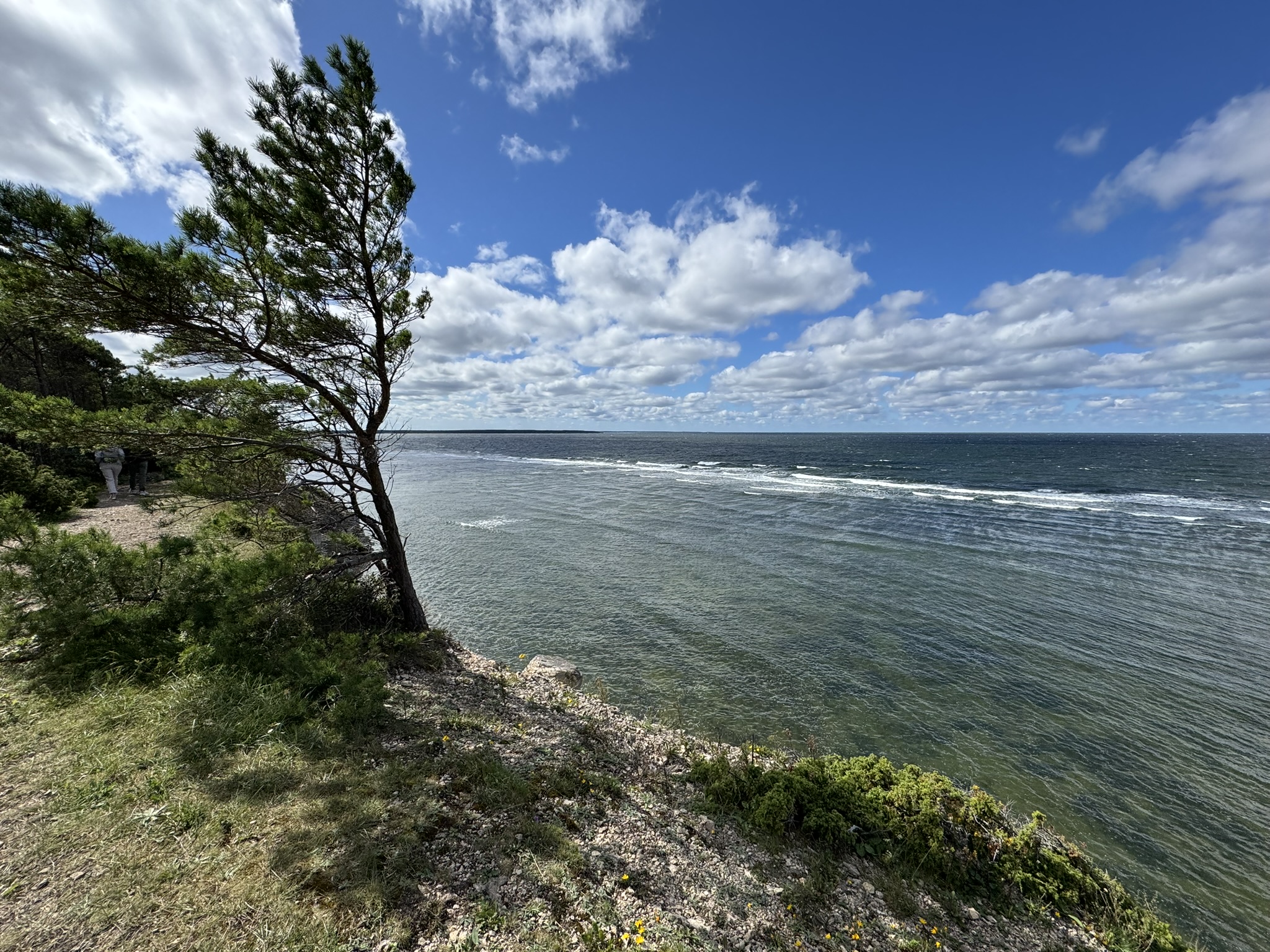
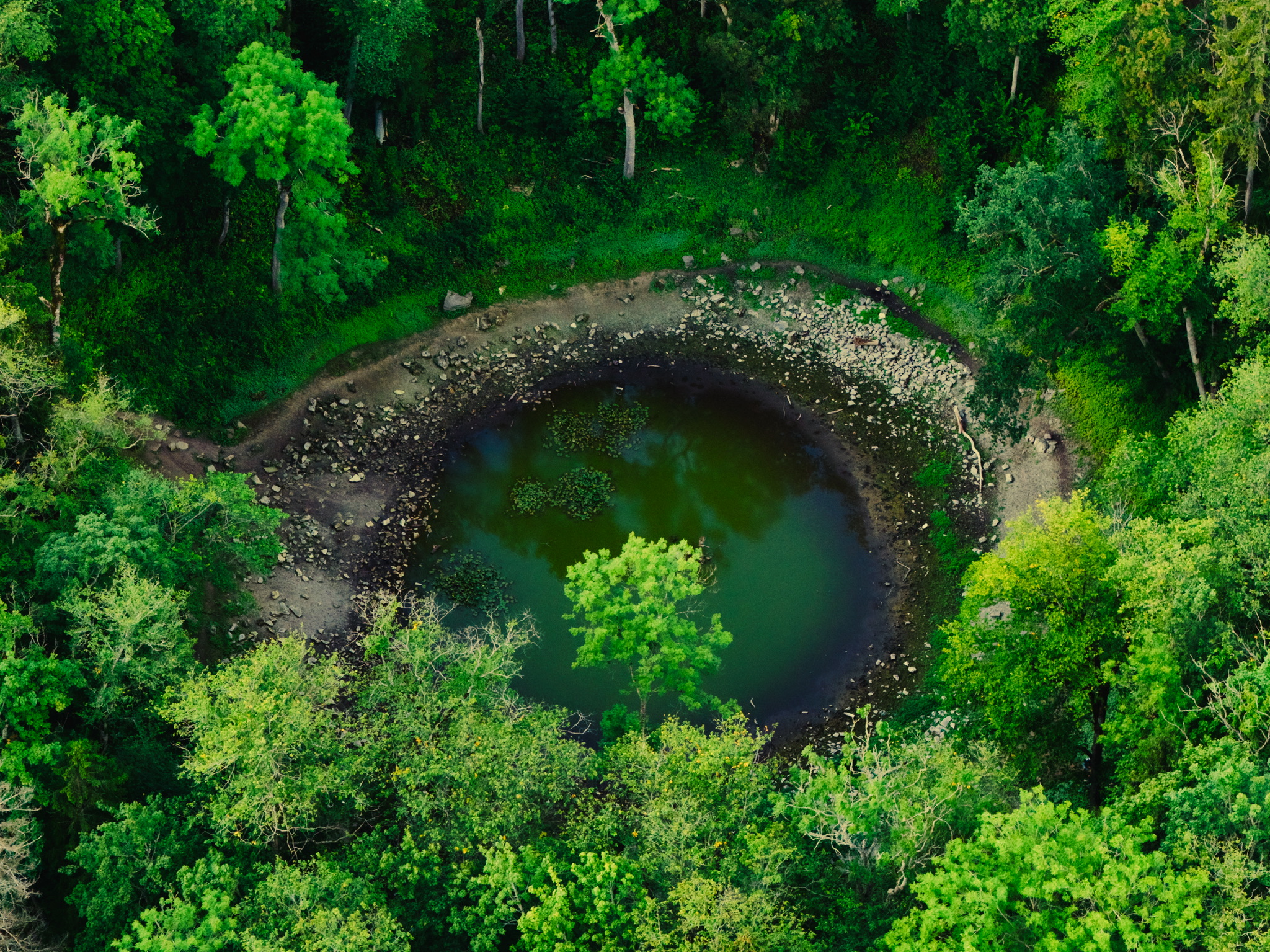
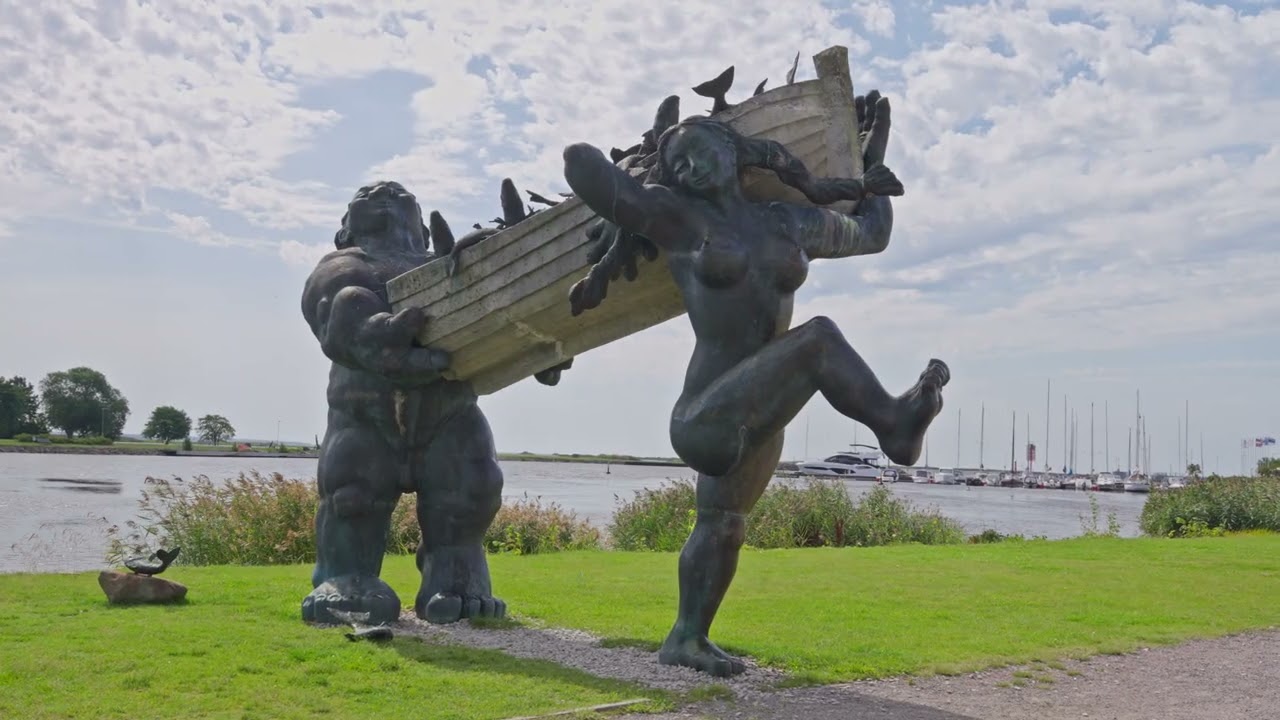
We took the ferry from Virtsu to Kuivastu – our first step onto Estonia’s largest island, Saaremaa. Even the crossing felt like a journey into another world: from the mainland into a landscape of sea, wind and open space. The island welcomed us with tranquillity. Roads winding their way through fields and woods, and ever-present views of the water. Traditional windmills by the roadside stood like silent guardians of times gone by. In Kuressaare, the small capital, the medieval castle rises like a stone heart of the island. Behind its thick walls, one can sense its eventful history – from the Teutonic Knights to the Swedes and on to the Russians. Today it is a museum, yet its appearance still speaks of power, trade and seafaring. The visit to the Kaali Crater was particularly impressive. Around 4,000 years ago, a meteorite struck here, leaving a circular scar in the landscape, now filled with water. We stood still at the edge of the crater – it is a place where one can sense the power of cosmic forces, but also the myths and stories that people have associated with it for centuries. And then there is nature: fields stretching to the horizon, moors and forests that seem untouched, and storks that glide majestically across the landscape during the summer months. Everything on this island seems to move a little slower, to be a little quieter. Only one thing disturbed the idyll: countless mosquitoes that buzzed around us relentlessly. Hardly an evening passed without us being bitten – an almost tropical experience in the middle of Northern Europe. Our visit to Saaremaa was a blend of history, nature and inner peace. An island that makes an impression not through noise, but through quiet – with images that linger: the waves on the coast, the rock of the crater, the castle walls, the storks in the fields and, yes, even the memory of the mosquitoes that nearly drove us to despair. Saaremaa leaves a lasting impression – like a place one has not merely seen, but felt to some extent.